Discover the power of Trichloroacetic Acid Treatment, a groundbreaking solution meticulously crafted to address a myriad of skin concerns. Dive deep into its transformative properties that not only target fine lines, uneven skin tone, and blemishes but also stimulate collagen production. This ensures a firmer, plumper skin texture, offering you a refreshed and youthful appearance that lasts.
FDA Status:
APROVED
BEFORE TREATMENT
Instructions
- Avoid Sun Exposure: The skin will be highly sensitive after the treatment. Avoid direct sun exposure and always use a broad-spectrum sunscreen with an SPF of 30 or higher.
- Moisturize: The skin may feel dry and tight after the treatment. Use a gentle, fragrance-free moisturizer to keep the skin hydrated.
- Avoid Picking: The skin will start to peel a few days after the treatment. Do not pick or peel off the skin manually, as this can lead to scarring.
- Gentle Cleansing: Use a mild, non-abrasive cleanser to wash your face. Avoid scrubbing or using exfoliating products.
- Limit Activities: Refrain from strenuous activities and exercises that cause sweating for at least 48 hours post-treatment.
- Avoid Heat: Stay away from saunas, steam rooms, and hot showers for at least one week.
- No Makeup: Do not apply makeup on the treated area for at least 48 hours to avoid potential irritation.
- Stay Hydrated: Drink plenty of water to help the skin heal and regenerate.
- Avoid Retinoids and Acids: Do not use products containing retinoids, glycolic acid, or other exfoliants until the skin has fully healed.
Download full version below
POST TREATMENT
Instructions
- Avoid Sun Exposure: The skin will be highly sensitive after the treatment. Avoid direct sun exposure and always use a broad-spectrum sunscreen with an SPF of 30 or higher.
- Moisturize: The skin may feel dry and tight after the treatment. Use a gentle, fragrance-free moisturizer to keep the skin hydrated.
- Avoid Picking: The skin will start to peel a few days after the treatment. Do not pick or peel off the skin manually, as this can lead to scarring.
- Gentle Cleansing: Use a mild, non-abrasive cleanser to wash your face. Avoid scrubbing or using exfoliating products.
- Limit Activities: Refrain from strenuous activities and exercises that cause sweating for at least 48 hours post-treatment.
- Avoid Heat: Stay away from saunas, steam rooms, and hot showers for at least one week.
- No Makeup: Do not apply makeup on the treated area for at least 48 hours to avoid potential irritation.
- Stay Hydrated: Drink plenty of water to help the skin heal and regenerate.
- Avoid Retinoids and Acids: Do not use products containing retinoids, glycolic acid, or other exfoliants until the skin has fully healed.
Download full version below
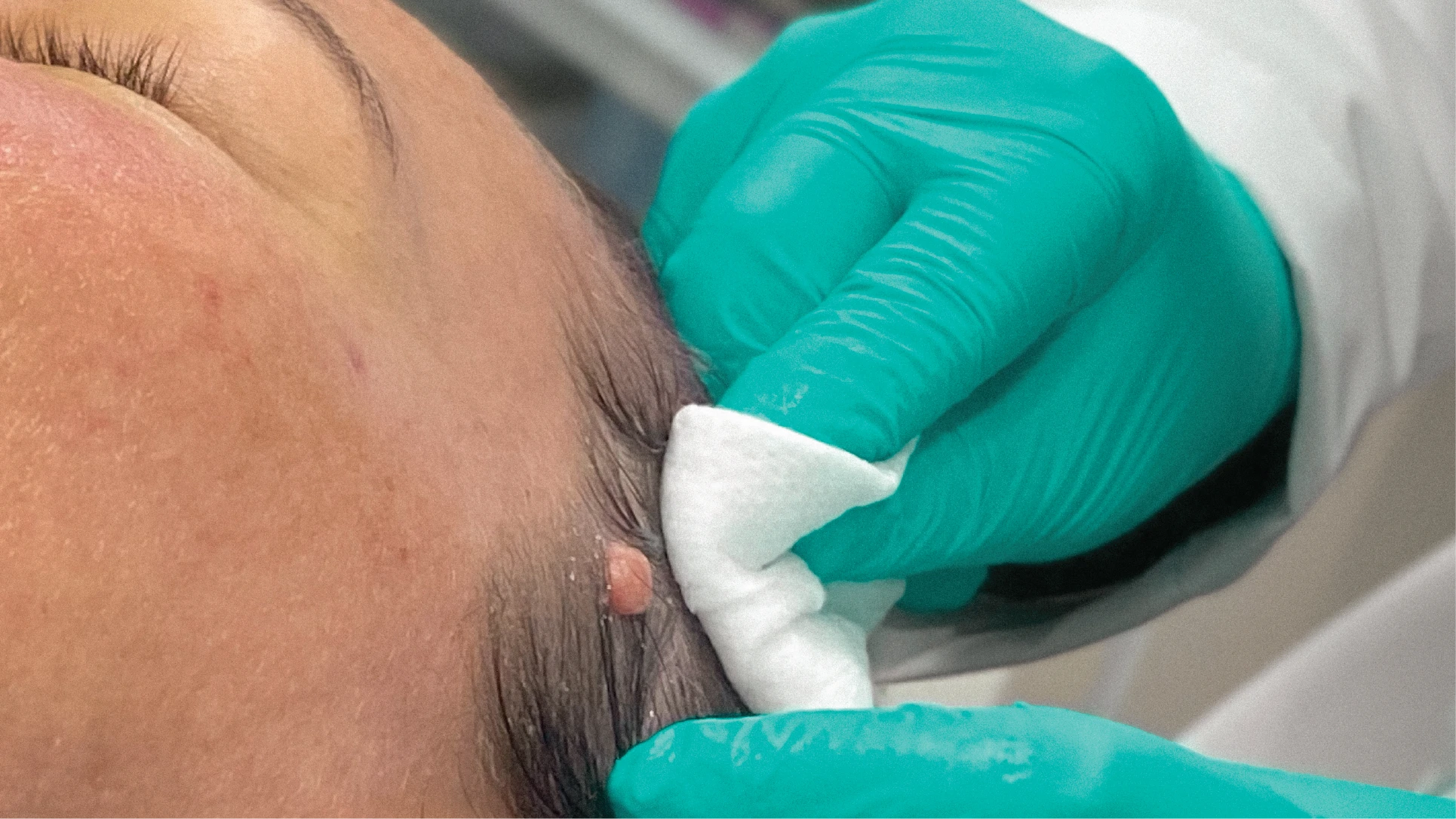
Tratamiento de Eliminación de Verrugas
En nuestro tratamiento de Eliminación de Verrugas, nos especializamos en la eliminación de acrocordones (skin tags) y ciertos lunares en casi todas las áreas del cuerpo. Utilizamos métodos seguros y eficaces como la cauterización, la crioterapia o la escisión, lo que generalmente nos permite completar el tratamiento en una sola visita, a menos que exista una gran cantidad de lesiones.
Este procedimiento es rápido y cómodo, no requiere tiempo de recuperación y permite a los pacientes retomar sus actividades diarias de inmediato.
Want more info? Book a Consultation Appointment
PERFECT B AESTHETIC MEDICINE
Trichloroacetic Acid at Perfect B
Safe and Proven Efficacy
Harness the benefits of a treatment that has stood the test of time. Trichloroacetic Acid Treatment is not just another skincare fad. It’s backed by extensive research, clinical trials, and dermatological endorsements, ensuring its safety and effectiveness in revitalizing your skin. Trust in a treatment that professionals swear by.
Tailored to Your Unique Needs
Every individual’s skin is unique, and this treatment understands that. It’s not a one-size-fits-all solution. Whether you’re battling age spots, sun damage, or acne scars, Trichloroacetic Acid Treatment adapts to your specific needs, delivering results that truly resonate. It’s personalized skincare at its finest.
Minimal Downtime, Maximum Results
Say goodbye to prolonged recovery periods and hello to rapid results. With Trichloroacetic Acid Treatment, experience minimal downtime, allowing you to get back to your daily routine faster. Yet, the results are uncompromised. Witness visible improvements in record time and step out with confidence, flaunting skin that radiates health, vitality, and luminosity.
Duration of results
The results of a treatment with Trichloroacetic Acid (TCA) can vary based on the concentration used, the specific skin concerns being addressed, and individual skin healing factors. Generally:
- Immediate Effects (1-2 weeks post-treatment): After a TCA peel, the skin will undergo a shedding process, revealing a new layer of refreshed skin. This immediate effect can last for a few weeks.
- Intermediate Effects (up to 6 months): The benefits of increased collagen production and improved skin texture can be observed for several months post-treatment. During this period, the skin will appear smoother, with reduced fine lines and improved overall tone.
- Long-Term Effects (6 months to 2 years): Depending on the depth of the peel and individual skin factors, the results can last from 6 months to 2 years. Deeper peels that penetrate further into the skin tend to have longer-lasting results. However, they also come with increased recovery time and potential side effects.
It’s essential to note that while TCA treatments can offer significant improvements, they don’t stop the natural aging process. Regular skincare, sun protection, and potentially maintenance treatments are crucial to prolong the results.
Absolute Contraindications
- Known Allergy: Individuals with a known allergy to trichloroacetic acid or any other ingredients used in the peel should avoid the treatment.
- Active Skin Infections: Any active bacterial, viral (including herpes simplex), or fungal infections in the treatment area.
- Wounded or Broken Skin: Open sores, cuts, or abrasions in the treatment area.
Relative Contraindications
- Pregnancy and Breastfeeding: The safety of TCA peels during pregnancy and breastfeeding hasn’t been conclusively established, so it’s generally not recommended for these individuals.
- Recent Sun Exposure: Sunburned or recently tanned skin can increase the risk of complications.
- History of Keloid Scarring: Individuals prone to keloid formation may experience exacerbated scarring.
- Use of Certain Medications: Some medications, such as isotretinoin (Accutane), can increase the risk of complications. It’s generally recommended to wait at least six months after stopping isotretinoin before undergoing a TCA peel.
- Recent Skin Treatments: If you’ve recently had laser treatments, other chemical peels, or any other significant skin treatments, it’s advisable to wait a certain period before undergoing a TCA peel.
- Darker Skin Tones: Individuals with darker skin tones may be at a higher risk for post-inflammatory hyperpigmentation (PIH) after a TCA peel.