
Perfect B, Doral Fl. | 05.22.26 | 13 min read.
This article is for educational purposes only and does not substitute professional medical advice. BPC-157 is a 503A compounded peptide administered under licensed medical supervision at Perfect B. All protocols are individualized at APRN intake. Results vary by patient, indication, and protocol adherence. For the bigger picture, read how peptide therapy is supervised at Perfect B in Doral and where a specific peptide fits within a complete treatment plan.
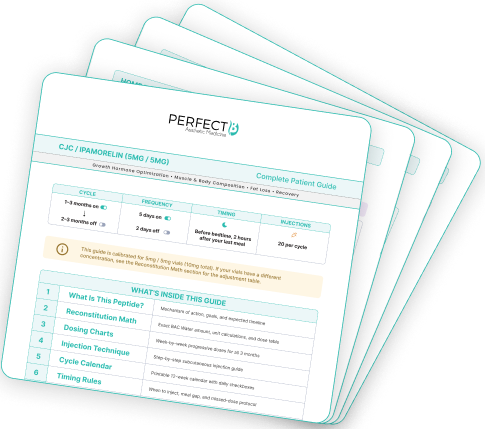
Skip Ahead to the Perfect B Peptide Protocol Tool. See Reconstitution, Daily Units, and Cycle Structure.
Perfect B’s peptide protocol tool is built on real clinical data from 2,000+ patients treated in South Florida.
Answer 6 questions and see what patients with similar goals are running: which peptides they use, typical dosing, injection schedule, reconstitution steps, cycle length, and when they pause.
At Perfect B in Doral, BPC-157 is the most requested recovery peptide in our clinic. Patients arrive with tendon injuries that have not responded to physical therapy, gut issues that antibiotics made worse, and joint inflammation that has been managed but never resolved. They want to know what happens before and after BPC-157, how long it takes, and whether the results they have read about online match what they will actually experience under medical supervision with a pharmaceutical-grade source.
The honest answer is that the BPC-157 before and after timeline is real, but it is not uniform. It depends on what you are treating, how the protocol is structured, and whether the peptide comes from a licensed 503A compounding pharmacy or a research supply website. This guide covers what our APRN team sees in practice at our Doral clinic, what the timeline looks like by tissue type, and what has to be true for the before and after to actually happen.
Key Takeaways on BPC-157 Before and After
- Four areas with consistent results: At Perfect B, we prescribe BPC-157 primarily for gut lining repair, tendon and ligament recovery, joint inflammation support, and systemic tissue repair after injury or surgery. These are the four categories where we see reliable before and after results in our Doral patients.
- Gut health responds fastest: Patients with SIBO residual symptoms, chronic GI distress, or post-antibiotic gut damage typically report meaningful improvement in GI symptoms within the first 30 days. Gut lining tissue is highly vascular and responds to BPC-157’s signaling faster than musculoskeletal tissue.
- Tendons and ligaments take longer: Structural repair of tendon and ligament tissue takes months, not weeks. The timeline for peak results in these tissues is 4 to 6 months of consistent protocol adherence, not the 4-week improvements some internet resources suggest.
- The danger zone is real: BPC-157 reduces pain and inflammation quickly, often within weeks 1 to 4. This is a risk, not just a benefit. Patients who feel dramatically better and return to full training too soon before the tissue has actually repaired structurally are at elevated risk of re-injury. At Perfect B, we address this directly at the intake and follow-up visits.
- 503A pharmacy source matters: The before and after results we see at our clinic come from pharmaceutical-grade 503A compounded BPC-157. Research-grade peptides purchased online are not manufactured to the same standards. The concentration, purity, and sterility of the peptide you administer directly affects whether the results are consistent and safe.
- BPC-157 is a signaling peptide, not a steroid: It works by upregulating VEGF to grow new capillaries, activating growth hormone receptors in tendon and ligament tissue, and promoting collagen synthesis. It does not produce anabolic effects like a steroid would. Patients who expect dramatic body composition changes will be disappointed. Patients who want accelerated tissue repair and reduced inflammation over a protocol cycle are well matched.
What BPC-157 Actually Does Before You See Any Results
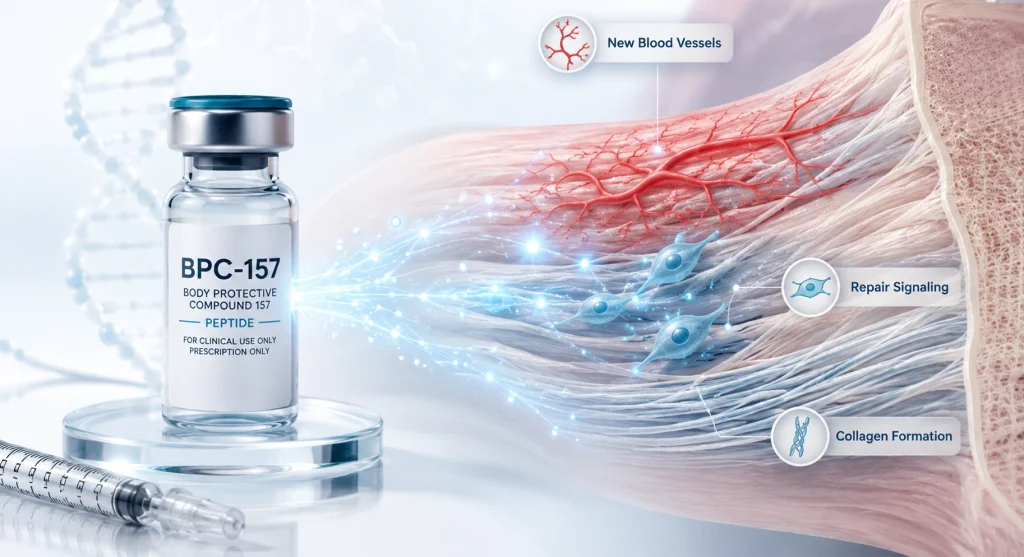
BPC-157, short for Body Protective Compound 157, is a synthetic peptide derived from a naturally occurring protein fragment found in human gastric juice. It is a sequence of 15 amino acids that acts as a biological repair signal, telling injured tissue to do what healthy tissue already knows how to do: build blood vessels, lay down collagen, close wounds, and reduce inflammation.
The mechanism that matters most for understanding the before and after timeline is angiogenesis. BPC-157 upregulates VEGF, the vascular endothelial growth factor that directs the formation of new capillaries. New blood vessels mean more oxygen and nutrient delivery to the damaged area. More nutrient delivery means faster collagen synthesis. Faster collagen synthesis means structural repair that would otherwise take months begins within days of starting the protocol.
BPC-157 also activates growth hormone receptors specifically in tendon and ligament tissue, which is why its effects on musculoskeletal injuries are more pronounced than those of many other anti-inflammatory approaches. The FAK-paxillin cell signaling pathway, which governs how cells migrate to injury sites and survive there, is upregulated by BPC-157, meaning the body sends repair cells to the damaged area more efficiently and keeps them active for longer. A 2025 narrative review on BPC-157 published in PMC summarizes the musculoskeletal healing evidence across animal models, noting that the peptide demonstrates accelerated recovery of tendons, ligaments, and connective tissue through these overlapping pathways.
All of this happens before patients notice anything. The biological machinery starts working within the first few days of the protocol. The visible before and after results come later, on a timeline that varies by tissue type and indication.
The Four Areas Where Perfect B Sees Consistent Before and After Results
At Perfect B, we prescribe BPC-157 for a narrower and more defensible set of indications than most websites suggest, because that is what our patients actually benefit from. The four categories where BPC-157 consistently delivers results in our Doral clinic are gut lining repair, tendon and ligament recovery, joint inflammation support, and systemic tissue repair after injury or surgery.
- Gut lining repair: Patients with SIBO residual symptoms, chronic GI distress, leaky gut, or post-antibiotic damage to the intestinal mucosa. BPC-157 has a documented role in gut protection and mucosal healing that goes back to its original discovery as a fragment of gastric juice protein. This is not an off-label stretch. It is what the peptide was originally studied for.
- Tendon and ligament recovery: Patients with rotator cuff injuries, Achilles tendinopathy, patella tendon issues, plantar fasciitis, and other chronic tendon injuries that have not responded adequately to rest and physical therapy. BPC-157 promotes tendon-to-bone integration and accelerates the structural healing that tendons need to fully recover.
- Joint inflammation support: Patients with chronic joint pain, post-surgical joint swelling, or inflammatory conditions that keep flaring despite management. The anti-inflammatory signaling from BPC-157 addresses the inflammatory loop rather than just suppressing symptoms temporarily.
- Systemic tissue repair: Patients recovering from surgery, significant soft tissue injuries, or periods of reduced activity where muscle and connective tissue quality has declined. BPC-157 supports the full tissue repair cascade in a way that general recovery approaches do not address at the cellular level.
Weeks 1 to 4: What Patients at Our Doral Clinic Report First
The first changes patients notice on BPC-157 are in inflammation and pain. Within the first week, many patients report a reduction in the background level of discomfort from chronic injuries. Not necessarily full resolution, but a quieting of the constant low-level pain that had become their baseline. Joint stiffness on waking tends to improve early as well.
For gut patients, the timeline is even faster. Patients with chronic GI distress often notice meaningful improvement in bloating, regularity, and post-meal discomfort within the first 10 to 14 days. The gut lining is highly vascular and responds to BPC-157’s angiogenic signaling more rapidly than musculoskeletal structures. Patients with SIBO residual symptoms in our Doral clinic have reported some of the most rapid subjective improvement of any BPC-157 indication we prescribe for.
Mobility tends to improve in weeks 2 to 4 for musculoskeletal indications. Range of motion around an injured joint or tendon increases as inflammation decreases and the local tissue environment improves. Patients who exercise regularly notice they are recovering faster between sessions and can train with less compensatory movement around the injured area.
Months 2 to 3: When the Real Tissue Repair Becomes Visible
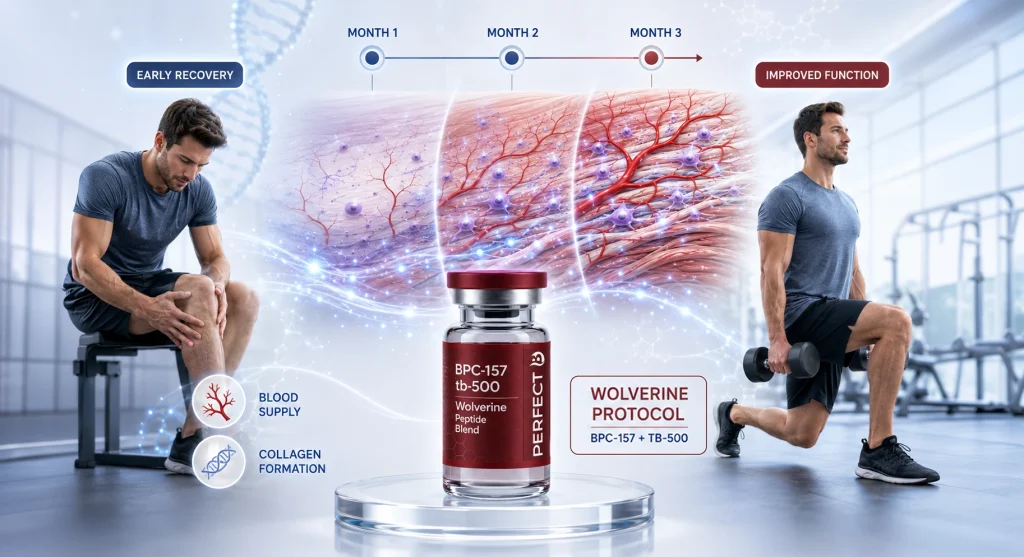
By months 2 and 3, the collagen synthesis and angiogenic effects that started in week one have accumulated enough to produce structural changes in the tissue. For soft tissue injuries, this is when patients typically notice that the injury has progressed from managed to actually healing. Workouts that were previously limited by the injured area become possible again without the same level of compensation or post-session flare.
For patients on BPC-157 for joint inflammation, the second and third month often mark the point where the inflammatory pattern breaks rather than just being suppressed. Instead of cycling through flare and recovery, the joint stabilizes at a lower baseline of inflammation. This is qualitatively different from what anti-inflammatory medications produce, because the tissue itself is changing rather than just the symptom signal being blocked.
Patients who stacked BPC-157 with TB-500 in the Wolverine protocol at Perfect B tend to show more pronounced results in this window, because TB-500 adds a complementary mechanism through actin regulation and cellular migration that extends BPC-157’s angiogenic effect. For a complete breakdown of how these two peptides work together, see our guide to the Wolverine peptide stack combining BPC-157 and TB-500 for accelerated tissue repair.
Months 4 to 6: Structural Healing and Long-Term Support
Tendon and ligament healing is a slow biological process under any circumstances. Tendon collagen turns over slowly, the blood supply to tendons is inherently limited, and the mechanical demands on tendons mean they need to rebuild strength progressively rather than all at once. BPC-157 accelerates this process, but it does not change its fundamental biology. For deep tendon injuries, the full before and after result takes 4 to 6 months of consistent protocol.
By month 4 to 6, patients with tendon and ligament indications have typically moved from pain reduction and mobility improvement to actual strength restoration in the injured structure. The tendon can handle progressive loading without triggering inflammation. The range of motion is restored. The compensatory patterns the body developed around the injury begin to resolve as the underlying structure becomes reliable again.
For patients recovering from surgery in the South Florida area who started BPC-157 in the post-operative window, this phase often coincides with the point where their surgical team notes better-than-expected tissue quality and healing speed. The protocol at Perfect B for post-surgical patients is individualized to the surgery type, healing phase, and any concurrent physical therapy, because the timing and dosing need to complement the staged healing process rather than work around it.
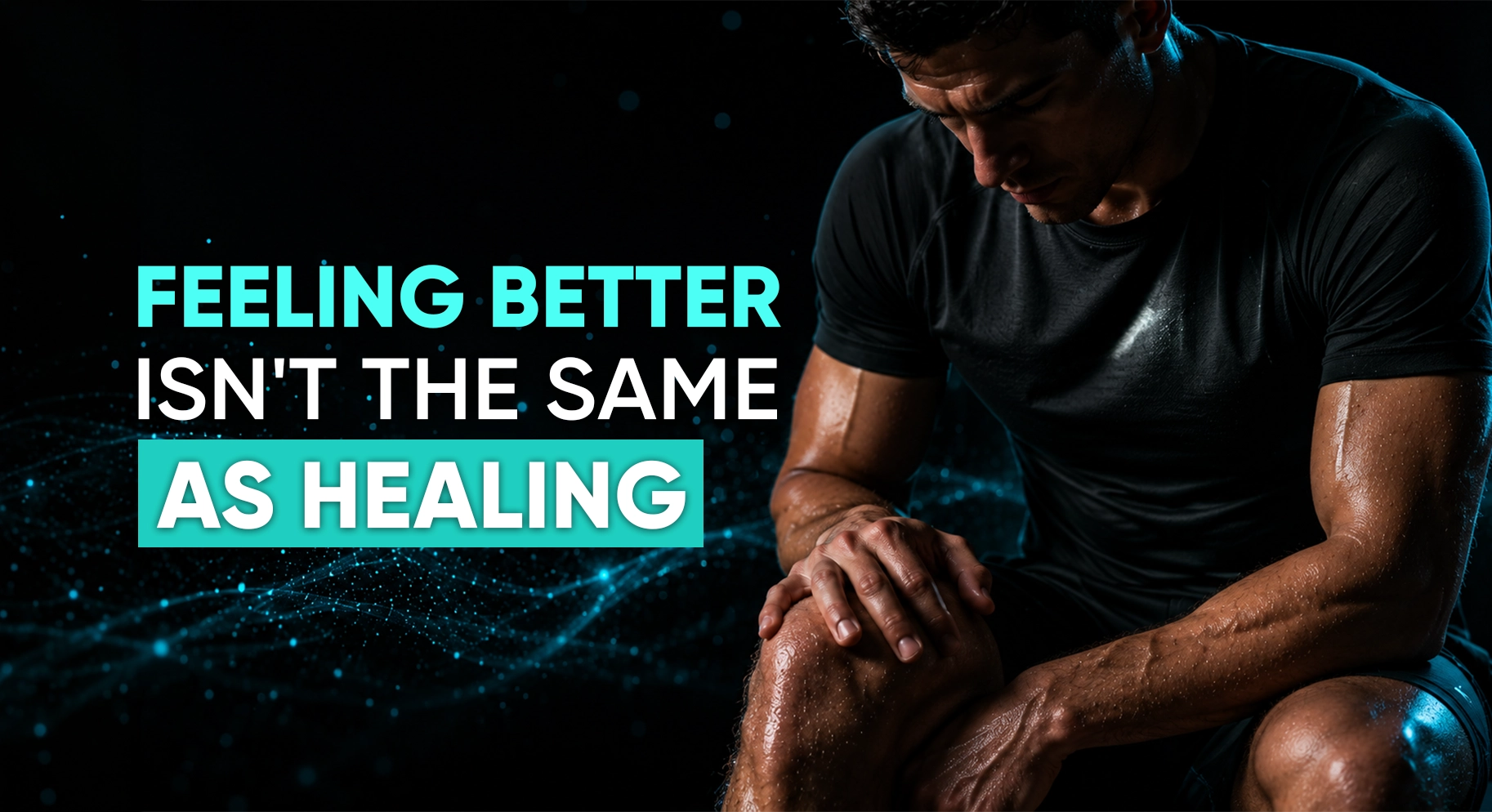
The Danger Zone: Why Feeling Better Is Not the Same as Being Healed
This is the section that most BPC-157 content online does not address, and it is the section that our APRN team addresses specifically at every intake and follow-up for patients on this peptide.
BPC-157 is a potent anti-inflammatory. It reduces pain and swelling significantly in the first weeks of the protocol. For patients who have been living with chronic injury pain, this reduction feels transformative. They feel healed. They feel like they can return to full training. And many of them, if not explicitly counseled otherwise, will do exactly that.
The problem is that pain is also information. When pain decreases rapidly from BPC-157’s anti-inflammatory effect, it removes the signal that was limiting activity before the structural repair is complete. The tendon or ligament that is no longer painful has not necessarily rebuilt the collagen architecture that gives it the tensile strength to handle full training loads. Returning to full load on a structurally incomplete repair produces re-injury, sometimes worse than the original.
At Perfect B, we set explicit return-to-activity protocols at the intake that are based on the tissue type, the severity of the injury, and the expected structural healing timeline, not on when the patient stops feeling pain. For musculoskeletal indications, the guideline is progressive load reintroduction starting no earlier than 6 to 8 weeks, with full training not before 3 months for significant tendon injuries regardless of how good the patient feels. This is not a conservative precaution. It is evidence-based injury management that applies whether BPC-157 is being used or not, and it applies more urgently precisely because BPC-157 removes the pain signal that would otherwise enforce appropriate rest.
BPC-157 Before and After for Gut Health: A Different Timeline Entirely
Gut indications follow a fundamentally different before and after trajectory than musculoskeletal indications, and patients who come to Perfect B with both gut and injury concerns are often surprised by how much faster the gut improvements arrive.
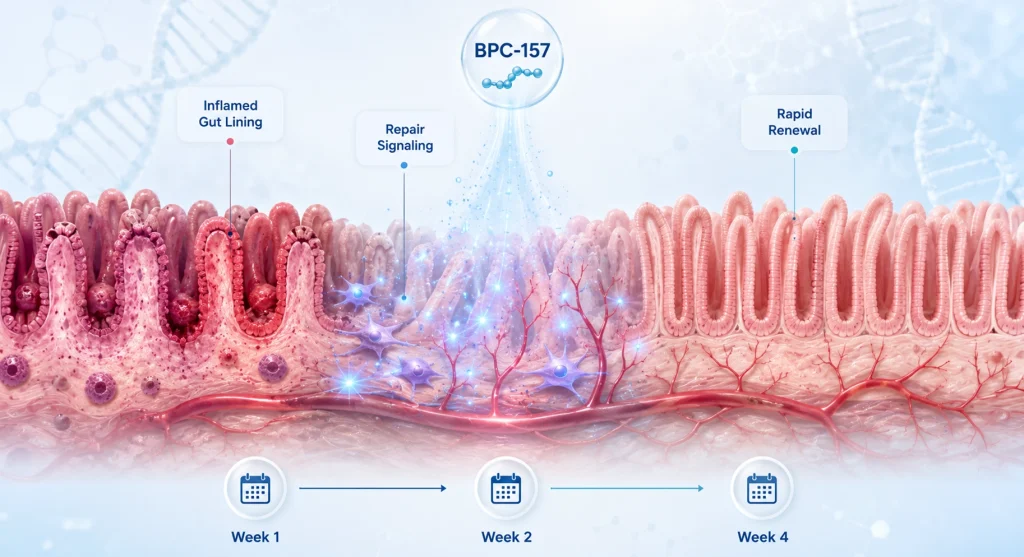
The intestinal mucosa is one of the most rapidly renewing tissues in the body. The gut lining turns over completely in 3 to 5 days under normal conditions. When BPC-157 is applied to a damaged or inflamed gut lining, its angiogenic and repair signaling acts on tissue that is already in a state of rapid cellular renewal. The result is that improvements in gut symptom burden, mucosal integrity, and post-meal function often begin within the first 7 to 14 days of the protocol.
Patients with SIBO residual symptoms and post-antibiotic gut dysbiosis in our Doral clinic have reported some of the most consistent early-phase results of any BPC-157 indication we prescribe for. By week 4, many of these patients have moved from significant functional impairment from GI symptoms to largely resolved or substantially reduced symptom burden.
The route of administration for gut indications differs from musculoskeletal use. At Perfect B, gut-focused protocols typically use oral or troche formats that deliver BPC-157 directly to the gastrointestinal tract, while musculoskeletal protocols use subcutaneous injection near the target tissue or in the abdominal fat pad for systemic delivery. The route and format are determined at the APRN intake based on the primary indication, which is why individualized assessment before prescribing is essential rather than optional.
BPC-157 Before and After for Women: What Changes
The BPC-157 before and after experience for women presenting at Perfect B in Doral follows the same fundamental tissue-specific timeline as for men, with some differences in the indications that bring women to the clinic and the additional context our APRN provides around hormonal variables.
Women at Perfect B who use BPC-157 most commonly present with one of three primary indications: gut health and inflammatory bowel symptoms, post-surgical or post-procedure recovery, or chronic musculoskeletal injuries from athletic activity. The gut and recovery indications are particularly well-matched to the female patient profile we see in South Florida, where many patients are combining BPC-157 with other regenerative protocols or recovering from aesthetic procedures.
Hormonal variables are relevant to BPC-157 outcomes in women primarily in the context of perimenopause and menopause, where declining estrogen affects collagen synthesis rates and tissue healing capacity. Women in this hormonal phase who start BPC-157 for musculoskeletal indications may see a longer ramp-up period before structural improvements become visible, because the tissue environment is working against faster healing from the hormonal side. The APRN intake at Perfect B screens for these variables specifically and adjusts the protocol expectations and cycle length accordingly.
Women who use BPC-157 for gut health consistently report some of the best early results across any demographic we see. The gut mucosal response appears consistent across sex and hormonal status, making gut lining indications a strong match for female patients who are dealing with the GI consequences of hormonal fluctuation, antibiotic cycles, or inflammatory conditions.
What Has to Be True for the Before and After to Actually Happen
BPC-157 is not self-executing. The peptide provides a repair signal, but the quality of the before and after outcome depends on several variables that the patient controls and that the APRN protocol structure at Perfect B addresses directly.
- Protein intake must support collagen synthesis: BPC-157 upregulates the machinery for collagen production, but collagen is made from amino acids. If dietary protein intake is insufficient, particularly glycine and proline which are collagen’s primary building blocks, the anabolic signaling has limited raw material to work with. At Perfect B, APRN follow-up visits include a review of dietary protein adequacy for patients on musculoskeletal protocols.
- Sleep quality matters more than most patients expect: Growth hormone secretion, which BPC-157 augments through receptor upregulation, occurs primarily during deep sleep. Poor sleep reduces the repair window that BPC-157 is designed to amplify. Patients who are sleep-deprived will see a slower and less complete before and after result than patients who protect 7 to 8 hours of consistent sleep.
- Activity must be appropriately loaded, not either absent or excessive: Complete rest prevents the mechanical stimulus that signals the tendon to rebuild with the appropriate architecture. Excessive load creates re-injury risk, especially in the early pain-free window. Appropriate progressive loading is the clinical standard, and the APRN at Perfect B sets these parameters at intake for musculoskeletal patients.
- The peptide source determines what is actually being administered: A pharmaceutical-grade 503A compounded BPC-157 has verified concentration, sterility, and purity. Research-grade peptides sold online have none of these guarantees. At Perfect B, all BPC-157 protocols use 503A compounded medication. A single-peptide BPC-157 protocol starts at $445 per cycle. Patients who arrive after self-administering research-grade peptides with inconsistent results are often experiencing the consequence of dosing with a product whose actual potency and sterility were never verified.
Not sure which peptide protocol fits your recovery goal?
Perfect B’s peptide protocol tool is built on real clinical data from 2,000+ patients treated in South Florida. Answer 6 questions and see which protocol patients with similar goals chose: single peptide at $445, Wolverine Stack at $795, or a custom multi-peptide cycle.
Research-Grade vs 503A Compounded: Why the Source Determines the Outcome
The BPC-157 before and after results that patients read about online come from a wide range of sources with a wide range of quality. Some are from clinical settings. Many are from self-experimentation with research chemicals. The results are not directly comparable because the peptides are not equivalent products.
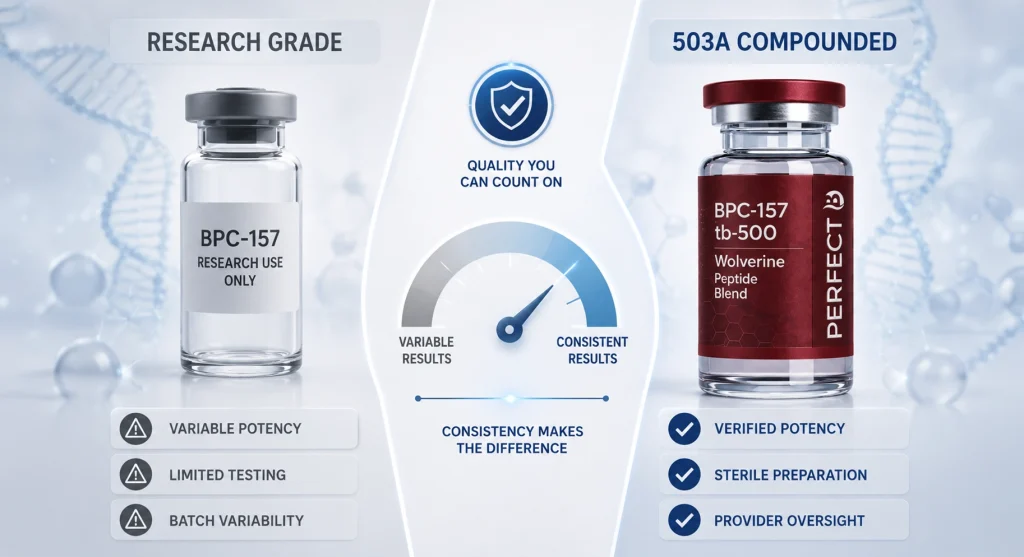
Research-grade BPC-157 is classified for laboratory use. It is produced without the pharmaceutical manufacturing standards, sterility requirements, potency verification, or third-party testing that a licensed 503A compounding pharmacy must maintain. The actual amino acid sequence, the concentration per vial, and the sterility of the solution can vary between research suppliers and between batches from the same supplier. When a patient self-administers research-grade BPC-157 and reports inconsistent results, the source variability is a plausible explanation that is rarely considered.
At Perfect B, all BPC-157 is sourced from licensed 503A compounding pharmacies. The concentration is verified, the sterility is documented, and the medication is dispensed as part of a medical protocol with provider oversight. For patients who want to understand the cost structure and what is included in a supervised protocol versus a research purchase, our complete breakdown is available in our guide to how much BPC-157 costs in 2026 and what the range in pricing actually reflects.
Frequently Asked Questions About BPC-157 Before and After
1. How long does BPC-157 take to work?
It depends on what you are treating. Gut health patients often notice improvement within 7 to 14 days. Joint inflammation typically begins to reduce within weeks 1 to 4. Tendon and ligament injuries show early mobility improvement in weeks 2 to 4 but structural repair takes 3 to 6 months. The before and after result is real, but the timeline is specific to the tissue type and the severity of the condition being treated.
2. What does BPC-157 before and after look like for tendon injuries?
In the first 4 weeks, pain and inflammation decrease and mobility improves. By months 2 to 3, the injury shows active healing progress and training can resume progressively. Full structural recovery and return to unrestricted activity typically occurs between months 4 and 6 for significant tendon injuries. The key is not returning to full load simply because the pain has resolved, because BPC-157’s anti-inflammatory effect precedes the structural repair. At Perfect B, return-to-activity milestones are set at intake based on injury type, not pain levels.
3. Is BPC-157 hard on kidneys?
There is no clinical evidence from human studies that BPC-157 at therapeutic doses causes kidney damage. The concern about kidney load is more commonly associated with peptides that stimulate significant systemic hormone production or with impurities in research-grade sources. At Perfect B, baseline labs are reviewed before any peptide protocol, and kidney function is one of the markers evaluated. Patients with pre-existing renal conditions are assessed individually before BPC-157 is prescribed.
4. Can women use BPC-157?
Yes. At Perfect B, we prescribe BPC-157 to female patients for gut health, post-procedure recovery, and musculoskeletal injuries. The mechanism and timeline are the same as for male patients, with some adjustments in the protocol for patients in perimenopause or menopause where hormonal changes affect collagen synthesis and healing rates. The APRN intake at Perfect B includes a hormonal context review for all female patients starting a peptide protocol.
5. What peptides does Joe Rogan take?
Joe Rogan has discussed BPC-157 and TB-500 publicly on his podcast as part of his recovery protocol. This has driven significant public interest in both peptides. What the podcast does not cover is the difference between research-grade sources and 503A pharmaceutical-grade compounds, the importance of individualized dosing, or the contraindications that a medical provider reviews before prescribing. At Perfect B, we see patients who arrive after self-experimenting based on podcast recommendations. The intake process establishes a proper clinical baseline and corrects dosing and sourcing issues that often explain why their self-administered results were inconsistent.
6. Can BPC-157 be combined with TB-500?
Yes, and at Perfect B this combination is called the Wolverine Stack. BPC-157 and TB-500 work through complementary pathways: BPC-157 through VEGF-driven angiogenesis and growth hormone receptor activation, TB-500 through actin regulation and cellular migration. When stacked, the two peptides address different phases of the healing cascade simultaneously, producing results that neither achieves alone. The Wolverine Stack at Perfect B is priced at $795 per cycle. For the full protocol breakdown, see our guide to the Wolverine peptide stack.
7. How do I know if BPC-157 is working?
Early signs that BPC-157 is working include reduced resting pain at the injury site, improved range of motion, better post-exercise recovery, and for gut patients, reduced bloating and GI distress. These typically appear in weeks 1 to 4. If none of these early markers improve after 4 weeks on a properly dosed 503A compounded protocol, the APRN at Perfect B reviews the indication, dose, and route at the follow-up visit. Absence of early results in a supervised clinical setting is information that leads to protocol adjustment, not continuation without review.
8. What is the difference between research-grade and compounded BPC-157?
Research-grade BPC-157 is manufactured for laboratory use without pharmaceutical sterility, potency verification, or quality control standards. It cannot legally be sold for human administration. Compounded BPC-157 from a licensed 503A pharmacy is manufactured under pharmaceutical standards with documented sterility, verified concentration, and accountability chain from production to dispensing. At Perfect B, all BPC-157 is sourced from 503A licensed pharmacies. The difference is not just regulatory. It is the difference between knowing what dose you are actually administering and not knowing.
How Much Does a BPC-157 Protocol Cost at Perfect B?
At Perfect B in Doral, BPC-157 protocols are priced transparently. A single-peptide BPC-157 cycle starts at 45. The Wolverine Stack, which combines BPC-157 with TB-500 for synergistic tissue repair, is 95 per cycle. Both options include provider supervision, 503A compounded medication sourced from a licensed pharmacy, dosing instructions, and follow-up. For a full breakdown of what each pricing tier includes and how it compares to research-grade or telemedicine options, see our complete guide to how much BPC-157 costs in 2026 and what the range in pricing actually reflects.
Closing: The Before and After Starts with the Right Protocol, Not the Right Peptide
BPC-157 has earned its position as the most requested recovery peptide at our Doral clinic. The before and after results are real and well-supported by what we see in patients across all four indications we prescribe for. But the results are not delivered by the peptide alone. They are delivered by the peptide administered at the right dose, through the right route, from a pharmaceutical-grade source, to a patient whose indication has been properly assessed, with activity guidelines in place that prevent the danger zone re-injury that the peptide’s anti-inflammatory effect makes possible.
The difference between what patients experience at Perfect B and what they report from self-administration online is not the peptide itself. It is the clinical context that determines whether the peptide’s mechanism is directed at the right problem, at the right intensity, for the right duration.
📍 Perfect B | 8200 NW 41st St, Suite 100, Doral, FL 33166
📞 (786) 502-2260
Not sure which peptide protocol fits your recovery goal?
Perfect B’s peptide protocol tool is built on real clinical data from 2,000+ patients treated in South Florida. Answer 6 questions and see which protocol patients with similar goals chose: single peptide at $445, Wolverine Stack at $795, or a custom multi-peptide cycle.