
In an era where wellness decisions are heavily influenced by headlines, it’s no surprise that some people wonder: Can Botox cause cancer? The word “toxin” alone can raise red flags, especially for those new to aesthetic medicine or navigating a personal history of cancer. At Perfect B, we believe every patient deserves clear, science-backed answers; not speculation or fear.
Botox is a purified form of botulinum toxin type A, and when used in the small, controlled doses approved for aesthetic and therapeutic treatments, it has not shown carcinogenic (cancer-causing) properties in either short-term or long-term studies. To date, there is no scientific evidence linking Botox to cancer.
Multiple peer-reviewed studies, including long-term follow-ups in both cosmetic and medical populations (like those treated for migraines, dystonia, or hyperhidrosis), have consistently shown no increased cancer risk in patients receiving Botox. Regulatory safety reviews by agencies worldwide, including the U.S. Food and Drug Administration (FDA) and the European Medicines Agency, have reinforced this finding.
Why FDA Approval Matters, and Why Botox Is Safe
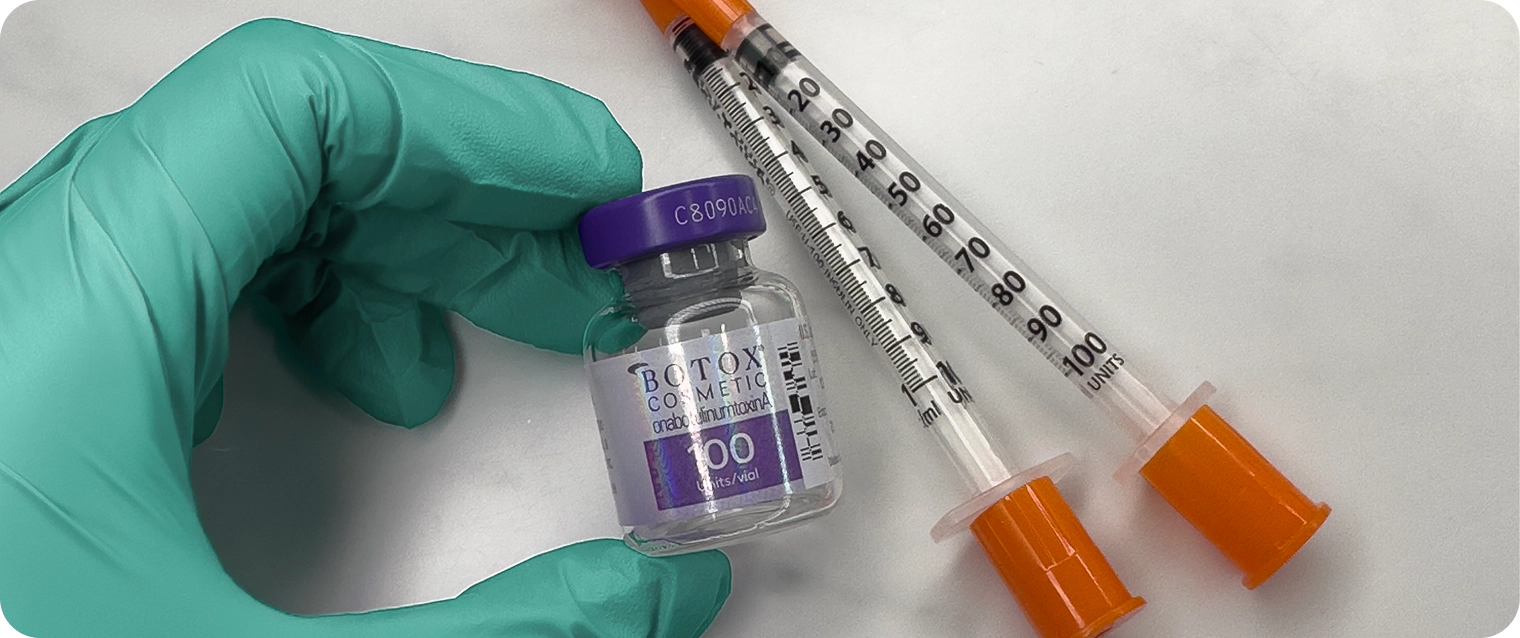
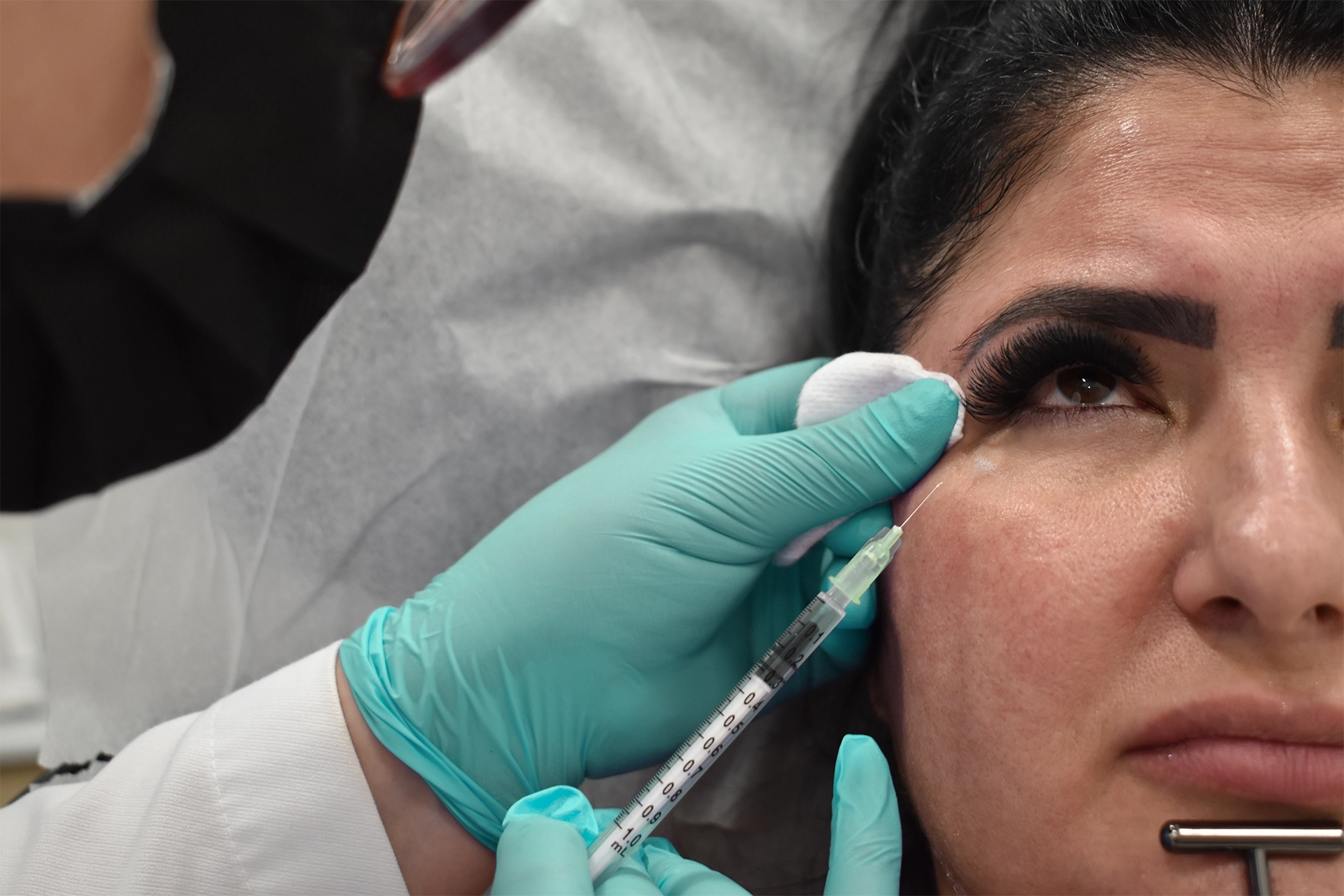
Botox is FDA-approved for both cosmetic and medical indications. This approval means the product has undergone rigorous clinical trials, safety evaluations, and manufacturing inspections. When public asks if Can Botox cause cancer, The FDA continues post-market surveillance to monitor adverse events and ensure ongoing safety.
At our clinic, we use only authentic, FDA-approved Botox sourced directly from licensed U.S. distributors. This ensures purity, potency, and traceability, a critical factor in patient safety.
Understanding the Concern
Before you trust any neurotoxin for wrinkles, Is important to be 100 % sure it is safe. The internet is full of alarming headlines suggesting a possible link between Botox and cancer, yet clinical data tell another story.
Key points you should know
What is the concern?: Fear that Botox injections might trigger or accelerate cancer.
How could it affect you?: Anxiety, decision paralysis, delay in addressing lines, migraines, or botox and neck pain that could be relieved by treatment.
Why does it arise?: Viral social‑media posts lacking scientific backing, stories of “toxic” ingredients in counterfeit products.
Why address it now?: Misinformation spreads fast; evidence‑based clarity lets you make confident, timely choices.
Our Clinic’s Experience: Safety First, Always
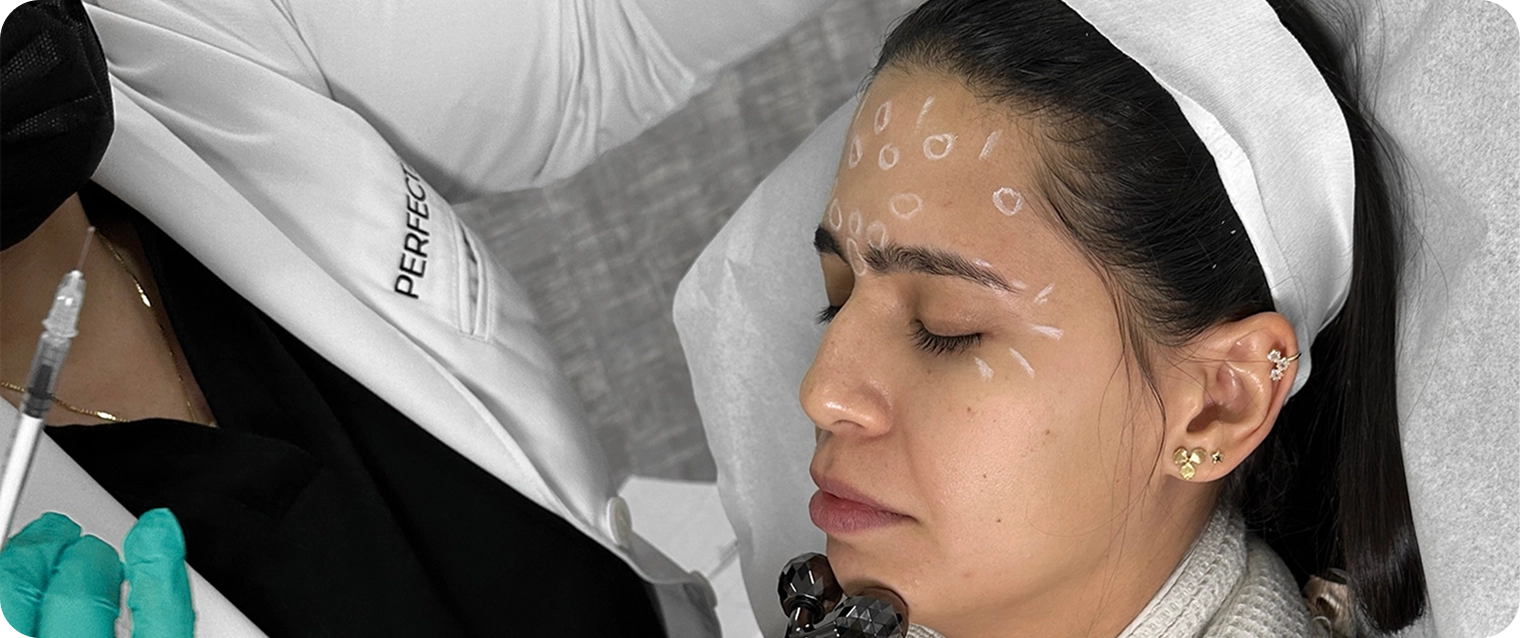
In our clinic’s years of experience administering Botox, we have never encountered a cancer case linked to the treatment, answering the question if “can Botox cause cancer” from our experience. However, we have seen other, more common and benign post-treatment effects like temporary bruising, mild headaches, or localized swelling.
For patients with a history of cancer, we approach Botox with a customized plan. While Botox is not contraindicated in cancer survivors, we always collaborate with the patient’s oncologist if there are concerns, especially for those undergoing active treatment, who may have immune or skin-related considerations.
How We Educate, Prevent Misinformation & Maintain Transparency
Misinformation about aesthetic medicine is widespread online, so is frequent this concern “Can Botox cause cancer” on the people. That’s why our team takes the time to:
Patient Education:
Educate each patient during consultations, including explaining what Botox is (and what it isn’t).
Transparency practices:
Offer full transparency about the ingredients and origin of every product used in our treatments.
Up-to-date safety information:
Share evidence-based resources and up-to-date FDA safety information.
Consent forms:
Provide written consent forms with clear, understandable language.
We also explain the differences between genuine Botox and counterfeit or diluted products, which can sometimes be encountered in unlicensed settings or “Botox parties.”
What Happens If a Patient Has an Unusual Reaction?
Though rare, we’re prepared. If a patient experiences an unexpected response, like persistent weakness, prolonged swelling, or delayed recovery; our protocol includes:
- Immediate clinical evaluation by our medical director or provider.
- Documentation and tracking of the event.
- Referral to appropriate specialists when needed (neurology, dermatology).
- Reporting to the manufacturer and FDA, if applicable.
These reactions are exceptionally rare, particularly with proper dosing and injection technique, but we are trained and equipped to respond.
Our Follow-Up and Care Commitment
We schedule follow-ups two weeks after injection to assess results and address any concerns. Patients are encouraged to contact us anytime if they feel something is unusual. Every patient has access to their treatment history and product details through our portal.
We also keep an open-door policy for questions, check-ins, and re-consultations, helping build long-term relationships with our patients based on trust, not trends.
Our Follow-Up and Care Commitment
We also keep an open-door policy for questions, check-ins, and re-consultations, helping build long-term relationships with our patients based on trust, not trends.
Frequently Asked Questions
Does Botox cause cancer?:
No. Large clinical trials and FDA surveillance show no carcinogenic signal.
Is it safe after chemotherapy?:
Typically yes, once cleared by your oncologist. We tailor dose and timing.
Are cheaper neurotoxin brands riskier?:
Only if they’re counterfeit or improperly stored. Authentic alternatives like Dysport® or Xeomin® also carry no cancer link.
How long do results last?:
Three to four months for most facial areas.
Can I combine Botox with lasers or fillers?:
Absolutely. Multimodal plans often enhance results without raising cancer risk.
Final thoughts
In summary, Botox is not linked to cancer, and its safety profile remains one of the strongest in aesthetic medicine. Here at Perfect B we combine science-based practices with personalized care, transparency, and education ensuring every patient feels safe, informed, and empowered in their aesthetic journey.