Perfect B, Doral Fl. | 06.30.26 | 11 min read.
This article is for general education and is not a substitute for individual medical advice. Talk with a licensed provider before starting any new acne treatment or chemical exfoliant.
What Is Mandelic Acid and Why Is It Different?
Mandelic acid is an alpha hydroxy acid (AHA) derived from bitter almonds, and its defining feature is an unusually large molecule that penetrates the skin slowly and evenly. That slow penetration is the whole point. Where smaller acids rush into the skin and can provoke redness and dark spots, this acid works gradually, making it one of the gentlest exfoliants for acne-prone and pigment-prone skin.
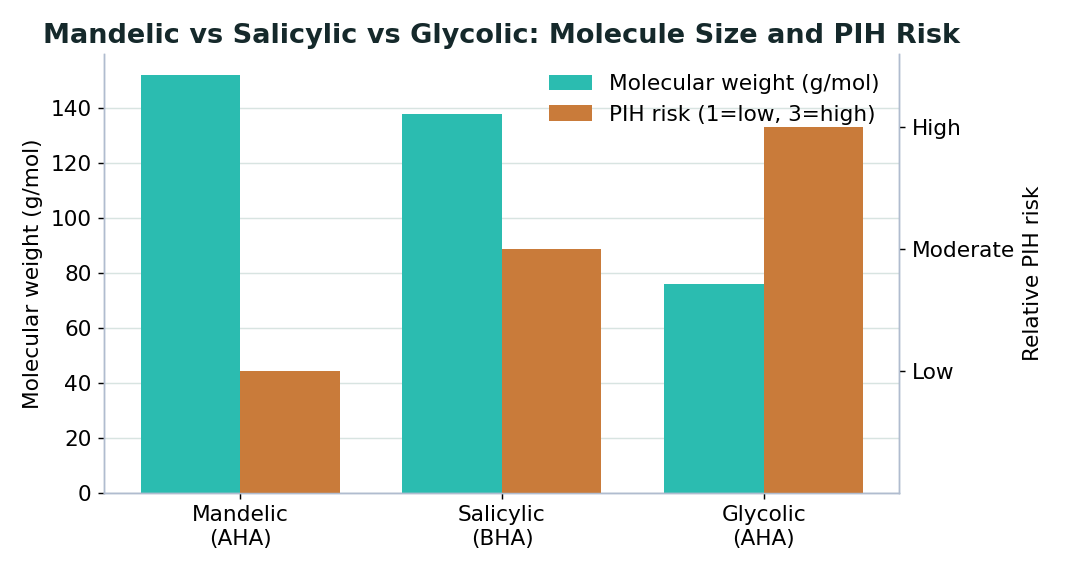
To put the chemistry in plain terms, it has a molecular weight of about 152 g/mol, roughly twice the size of glycolic acid at about 76 g/mol. A larger molecule cannot push through the skin as fast, so it delivers a milder, more controlled exfoliation. This single property explains nearly every advantage it holds over harsher acids: less irritation, a stronger safety profile across skin tones, and a much lower risk of post-inflammatory hyperpigmentation. For anyone who has tried a popular acid only to end up with stinging, flaking, and new brown marks, this gentle AHA is frequently the missing answer.
Key Takeaways
- Mandelic acid is an alpha hydroxy acid from bitter almonds with a molecule about twice the size of glycolic acid, so it exfoliates slowly, evenly, and gently.
- That gentleness makes mandelic acid for dark skin one of the safest exfoliating choices, because slow penetration means a lower risk of post-inflammatory hyperpigmentation in Fitzpatrick III to VI skin.
- Mandelic acid for acne works on several fronts at once: it loosens clogged pores, helps regulate oil, and carries antibacterial activity that targets acne-causing bacteria.
- Mandelic acid for hyperpigmentation fades post-acne dark marks by speeding cell turnover and interrupting excess pigment production.
- In the mandelic acid vs salicylic acid question, both treat acne well, but the AHA tends to cause less irritation, while salicylic penetrates oil more deeply; many South Florida patients do best with a provider-guided combination and daily broad-spectrum SPF.
Why Mandelic Acid Is the Safest AHA for Brown and Black Skin
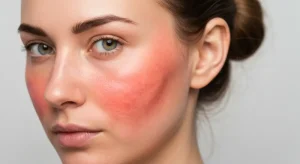
If you have melanin-rich skin and have been warned away from chemical exfoliants, this is the section that matters most. The fear is reasonable, because the wrong acid can leave darker skin worse off than it started. Mandelic acid for dark skin earns its reputation precisely because its large molecule penetrates slowly and uniformly, which keeps inflammation low. Inflammation is the trigger for post-inflammatory hyperpigmentation, so an acid that controls inflammation also controls the dark marks that follow.
Dermatology uses the Fitzpatrick scale to classify how skin responds to sun and treatment, from Type I (very fair, always burns) through Type VI (deeply pigmented, rarely burns). The risk math changes as you move down that scale. In Fitzpatrick III to VI skin, melanocytes, the pigment-producing cells, are highly reactive. Any insult that smaller acids can cause, whether stinging, micro-irritation, or visible redness, can signal those melanocytes to flood the area with pigment. The result is a brown or gray patch that can outlast the original breakout by months. This is why so many people with brown and Black skin report that a treatment “fixed the pimple but left a mark.”
Glycolic acid illustrates the problem. Because its molecule is small, it penetrates fast and can reach an irritating depth before the skin has time to adjust. On fair skin that often means a tolerable tingle. On Fitzpatrick IV to VI skin, that same rapid penetration more often backfires, provoking the inflammation that drives hyperpigmentation. The almond-derived AHA sidesteps this by entering slowly. The skin is exfoliated, but it is not shocked. For melanin-rich skin specifically, that difference is the line between clearer skin and a new set of dark spots.
None of this means the ingredient is risk-free for any skin tone. It means the safety margin is wider, which is exactly what reactive, pigment-prone skin needs. For a deeper look at how dark marks form and how we treat them, see our guide to treating post-inflammatory hyperpigmentation (PIH) after acne.
How Does Mandelic Acid Treat Acne?
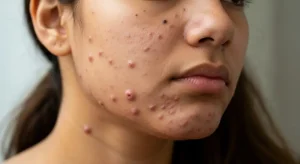
Mandelic acid for acne works through several mechanisms that line up neatly with what actually causes a breakout. Acne forms when dead skin cells and oil collect inside a pore, the pore clogs, and acne-causing bacteria multiply in that trapped environment. This acid addresses each step.
- It exfoliates inside and around the pore. As an AHA, it loosens the bonds that hold dead skin cells together, clearing the buildup that plugs follicles. Because it also has partial oil affinity, it reaches into the pore better than most AHAs, helping unclog the comedones (blackheads and whiteheads) that start a breakout.
- It helps regulate sebum. By keeping the pore lining clear and turning over more evenly, it helps reduce the oil-and-debris congestion that feeds acne, a meaningful benefit in oily, humidity-prone skin.
- It has antibacterial properties. The ingredient carries antibacterial activity that targets the bacteria involved in inflammatory acne, which is part of why it calms active breakouts rather than only smoothing the surface.
- It works on acne and its aftermath at the same time. Because the same turnover that clears pores also fades discoloration, it treats the pimple and the mark left behind in one ingredient, a real advantage for skin that scars dark.
For a comprehensive, provider-built plan that combines exfoliation, in-office treatment, and home care, explore our medical acne treatment plan at Perfect B in Doral. The American Academy of Dermatology offers a useful patient overview of how acne forms and the categories of acne treatment for additional background.
How Does Mandelic Acid Fade Post-Acne Dark Marks and Hyperpigmentation?
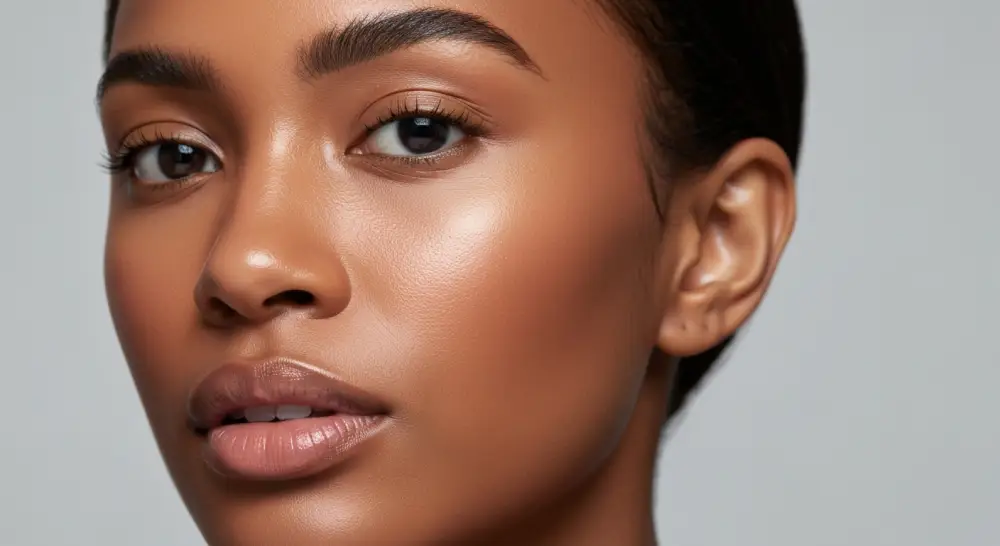
For many patients the breakout is not the worst part. The flat brown or gray marks left after a pimple heals can linger far longer than the pimple did, and they are the reason people feel their skin never fully clears. Mandelic acid for hyperpigmentation addresses these marks directly, which is why it has become a go-to ingredient for post-acne discoloration.
It works in two complementary ways. First, it accelerates cell turnover. The pigmented dead cells sitting in the upper layers of skin are shed faster and replaced with fresh, more even-toned cells, so discoloration lifts gradually instead of fading on its own slow timeline. Second, it interferes with excess pigment production and the transfer of that pigment into surrounding skin cells, which means it does not only clear existing marks, it helps prevent new ones from setting in as current breakouts heal.
That combination is what makes mandelic acid for hyperpigmentation so well matched to post-acne skin. It treats the discoloration you already have while reducing the discoloration the next breakout would otherwise leave. The catch is sun exposure. Ultraviolet light is the single biggest driver of darkening hyperpigmentation, and any acid increases the skin’s sensitivity to UV. Under the strong South Florida sun, this is not a minor footnote. Diligent daily broad-spectrum SPF is what lets the acid fade marks instead of fighting a losing battle against fresh sun damage.
This is not the only ingredient we reach for here. For stubborn discoloration we often pair or compare it with azelaic acid; see our overview of azelaic acid for acne, rosacea, and pigmentation to understand how these ingredients complement one another.
Mandelic Acid vs Salicylic vs Glycolic: Which Acid Is Right for Your Skin?
The three acids most people compare for acne are mandelic, salicylic, and glycolic. They are not interchangeable. The mandelic acid vs salicylic acid decision in particular comes up constantly, because both treat acne effectively but behave very differently in the skin. The table below lays out the practical differences.
| Feature | Mandelic acid (AHA) | Salicylic acid (BHA) | Glycolic acid (AHA) |
|---|---|---|---|
| Molecule size | Large (about 152 g/mol) | Medium (about 138 g/mol), oil-soluble | Small (about 76 g/mol) |
| How it penetrates | Slow and even, surface and partly into the pore | Oil-loving, dives deep into the pore | Fast and deep for an AHA |
| Best skin type | Sensitive, reactive, and melanin-rich skin; combination skin with marks | Oily, congested, blackhead-prone skin | Resilient, sun-protected skin seeking strong resurfacing |
| PIH (dark spot) risk | Lowest of the three | Low to moderate | Highest of the three on darker skin |
| Best acne use | Inflammatory acne plus post-acne discoloration, especially on Fitzpatrick III to VI | Deep blackheads, whiteheads, and very oily, clogged skin | General resurfacing and texture when tolerated |
The short version: the almond-derived AHA is the gentlest and safest for pigment-prone skin, salicylic acid is the strongest pore-clearing option for very oily skin, and glycolic acid is the most aggressive resurfacer and the one most likely to backfire on darker tones. Many patients do not have to choose just one. We frequently build routines that use more than one acid on different days or in different formulas. To go deeper on the oil-soluble option, read our dedicated guide to salicylic acid for acne and clogged pores.
How Do We Use Mandelic Acid Peels at Perfect B in Doral?
This acid shows up in two forms: professional in-clinic peels and at-home products. They are not competitors, they are different intensities of the same idea, and they work best together.
At-home products, such as serums, toners, and cleansers, use lower concentrations meant for regular, gentle use. They keep pores clear and discoloration in check between visits. Professional peels work at higher strength than at-home products, which is why they accelerate results and reach issues a home routine alone cannot. The specific strength is not one-size-fits-all. Our provider selects the concentration for your skin type, your Fitzpatrick category, and your goals, which is exactly the judgment that protects darker skin from overtreatment.
A typical in-clinic peel session is straightforward. We cleanse and prep the skin, apply the peel solution for a controlled period while monitoring your response, then neutralize and soothe. There is usually little to no downtime compared with deeper peels. Over a planned series, you can expect clearer pores, smoother texture, and a gradual fading of post-acne marks. Because acids raise photosensitivity, we send you home with strict broad-spectrum SPF instructions, which matter year-round given the intensity of the Miami sun.
We tailor every peel and acne routine to the person in the chair. If you want a professional assessment of whether a mandelic peel, a different acid, or a combined plan fits your skin, that conversation is the right starting point. You can review the full structure in our acne treatment plan at Perfect B in Doral.
Is Mandelic Acid Good for Sensitive and Perimenopausal Skin?
Yes, and this is one of the ingredient’s quietly important strengths. Adult and reactive skin often cannot tolerate the harsh actives marketed for acne. Skin in the perimenopausal years tends to be drier, thinner, and more easily irritated, even when it is still breaking out, a frustrating combination that rules out many aggressive treatments. This acid fits such skin well because it is barrier-friendly. The same slow, even penetration that protects melanin-rich skin also protects sensitive and mature skin from the stinging and flaking that stronger acids cause.
That gentleness lets reactive skin get the benefits of exfoliation, clearer pores, smoother texture, and brighter tone, without the inflammatory rebound that pushes sensitive skin into redness or new discoloration. For adults dealing with hormonal breakouts alongside early signs of aging, it often does double duty, calming acne while improving the look of texture and uneven tone, all without overwhelming a fragile barrier.
“By perimenopause the skin is thinner, drier, and more reactive, but androgens are still active, so we see deep bumps along the jaw and neck that heal slowly and leave dark marks for months. The strange part is dry, flaky patches sitting right next to oily, broken-out areas. Most women try to dry everything out, which only wrecks the barrier further. At Perfect B we flip the script and treat the barrier first: patience and hydration, not punishment. It usually takes about 6 to 8 weeks to really see the shift, which is exactly why a slow, barrier-respecting acid like mandelic fits this skin so well.” Valeria Marulanda, FNP-BC
How Do You Start Mandelic Acid Without Triggering Purging or Irritation?
The most common reason people abandon a good acid is starting too fast. Mandelic acid is forgiving, but skin still needs a ramp. Here is the approach we recommend.
- Patch test first. Apply a small amount to a discreet area, such as along the jaw, and wait 24 hours. If there is no significant redness, itching, or burning, you are clear to proceed.
- Start at a low frequency. Begin with two to three nights per week rather than daily. This lets your skin acclimate to the exfoliation without becoming overwhelmed.
- Build up slowly. If your skin tolerates the starting frequency for a couple of weeks, increase gradually toward nightly use as appropriate for your skin and the product strength.
- Keep the barrier supported. Pair the acid with a gentle cleanser and a good moisturizer. Avoid stacking multiple strong actives at once while your skin is adjusting.
- Wear broad-spectrum SPF every morning. This is non-negotiable with any acid, and especially so in South Florida, where strong UV both increases irritation risk and worsens the dark marks you are trying to fade.
It also helps to know the difference between purging and a true reaction, because they look similar and lead to opposite decisions. Purging is a temporary uptick in breakouts as accelerated turnover pushes already-forming congestion to the surface faster. It appears in areas where you normally break out and clears within a few weeks. A reaction, by contrast, shows up as persistent stinging, burning, swelling, or new irritation in places you do not usually break out, and it does not settle. Purging is a sign the product is working and you should continue carefully. A reaction is a sign to stop and check in with your provider. When you are unsure which one you are seeing, the safest move is to ask us rather than push through.
Is Mandelic Acid Safe to Use During Pregnancy?
Low-strength topical mandelic acid and similar AHAs are generally considered low risk in pregnancy, but our providers prefer to pause professional acid peels while you are expecting and favor azelaic acid instead. The safest path is always to confirm your routine with your OB and your provider before continuing or starting any active.
The reasoning is simple. When a pregnant patient comes in with acne, we play defense, not offense, until the baby arrives. During pregnancy we generally pause active acid peels, retinoids, salicylic acid peels, lasers, and microneedling, because there is no reason to take on extra risk for a problem that is temporary. Instead we pivot to a pregnancy-conscious lineup the patient can use with confidence.
“Azelaic acid is our hero ingredient in pregnancy because it fights both acne and pigmentation at once. We pair it with a niacinamide serum for inflammation and a mineral SPF, since melasma loves pregnancy hormones, and we keep pores clean with a gentle HydraFacial using just water and a calming serum, no active acids. Once you deliver and finish breastfeeding, we can go full force again.” Valeria Marulanda, FNP-BC
So while a gentle, barrier-respecting acid like mandelic sits at the lower-risk end of the spectrum, it is not the approach we lead with during pregnancy. We would rather build you a calm, effective, pregnancy-safe plan now and reintroduce stronger exfoliation once you are postpartum. If you are pregnant, breastfeeding, or trying to conceive, bring your current products to your visit and let us review them with you alongside your OB’s guidance.
Frequently Asked Questions
1. Is mandelic acid better than salicylic acid for acne?
Neither is universally better; they suit different skin. In the mandelic acid vs salicylic acid comparison, both treat acne effectively, but mandelic tends to cause less irritation and carries a lower dark spot risk, while salicylic acid is oil-soluble and clears deep blackheads and very oily, congested pores more aggressively. Sensitive or melanin-rich skin often does best with mandelic; very oily, blackhead-prone skin may favor salicylic. Many people benefit from a provider-guided combination.
2. Can mandelic acid be used on dark skin safely?
Yes. Mandelic acid for dark skin is widely considered one of the safest exfoliating options because its large molecule penetrates slowly and evenly, which keeps inflammation low and reduces the risk of post-inflammatory hyperpigmentation in Fitzpatrick III to VI skin. It is often the preferred AHA for brown and Black skin for exactly this reason, though no acid is risk-free and a slow, patch-tested start is still wise.
3. How long does it take to fade dark spots?
Fading is gradual. Because mandelic acid for hyperpigmentation works by accelerating cell turnover and interrupting pigment production, most people see discoloration improve over several weeks of consistent use, with more noticeable results over a couple of months. Diligent daily broad-spectrum SPF is essential, since sun exposure can darken marks faster than any acid can fade them. Timelines vary by skin and by how the routine is structured.
4. Can I use mandelic acid while pregnant or breastfeeding?
Check with your OB and your provider first. Low-strength topical mandelic acid is generally considered low risk, but during pregnancy we pause professional acid peels and favor azelaic acid, our preferred pregnancy-safe option, paired with niacinamide and a mineral SPF. We resume stronger treatments once you have delivered and finished breastfeeding. Bring your products in and we will review them with you.
5. Does it cause purging when you first start it?
It can, though usually mildly. Purging is a temporary increase in breakouts as faster turnover brings already-forming congestion to the surface, and it appears in your usual breakout areas and resolves within a few weeks. Persistent stinging, burning, swelling, or irritation in new areas is a reaction, not purging, and means you should stop and check with your provider. Starting at a low frequency limits both.
6. Do I really need sunscreen with this exfoliant?
Yes, every day. All acids increase the skin’s sensitivity to ultraviolet light, and UV is the main driver of worsening hyperpigmentation. Skipping sunscreen can undo the dark spot fading you are working toward and raise irritation risk. In the strong South Florida sun, diligent daily broad-spectrum SPF is essential whenever you use any exfoliating acid.
7. Can it be combined with other acne ingredients?
Often, but with care. It can be paired with ingredients like azelaic acid for discoloration, or alternated with salicylic acid for oily, congested skin, but stacking multiple strong actives at once can overwhelm the barrier and cause irritation. The safest combinations are guided by a provider who can sequence ingredients to your skin type. You can read more about complementary options in our guides to azelaic acid and salicylic acid for acne.
8. Where can I find evidence behind mandelic acid for acne?
Peer-reviewed clinical literature supports this acid’s role in acne and pigmentation; you can browse the underlying studies through the PubMed database of biomedical research. For a plain-language patient overview of acne itself, the American Academy of Dermatology acne resource is a reliable starting point.
Closing: The Right Acid for Your Skin Tone
Mandelic acid earns its place in medical aesthetic practice because it delivers steady improvement without the irritation risk that stops darker skin tones from tolerating stronger acids. If breakouts, post-inflammatory pigment, and uneven texture have not responded to harsher routines, switching to the gentler molecule often produces better results with fewer side effects.
The right concentration, the right carrier, and the right pairing with in-clinic peels depend on your Fitzpatrick category and barrier status. At Perfect B in Doral, that assessment happens before any product is prescribed, so the plan fits the skin in front of us rather than a generic protocol.
- 📍 Visit us at Perfect B, 3905 NW 107th Ave, Suite 104, Doral FL 33178
- 📞 Call or message us at (786) 502-2260
- 💳 Financing available through Cherry, Klarna, Afterpay, and CareCredit