
Perfect B, Doral Fl. | 06.10.26 | 9 min read.
This article is for educational purposes only and is not a substitute for medical advice. Always consult your OB-GYN or a licensed provider before starting or stopping any treatment during pregnancy.
Why Acne Shows Up During Pregnancy and What You Can Safely Do About It
Pregnancy changes your skin week by week, and for a large share of women that change means breakouts. Up to 43 percent of people experience acne during pregnancy, and the treatments you relied on before, like retinoids and salicylic acid peels, are now off the table. The good news is that a smart pregnancy acne treatment plan still has plenty to work with. The goal during these nine months is simple: protect your skin barrier, keep pores clear without systemic absorption risk, and prevent the kind of scarring that is far harder to fix later. This guide walks through exactly which ingredients and procedures are safe, which to avoid, and how the whole plan bridges into the postpartum period when stronger options open back up.
Key Takeaways
- Acne in pregnancy is hormonal: rising androgens drive oil production, and breakouts are usually worst in the first trimester.
- The unsafe list is firm: avoid oral isotretinoin, topical retinoids, spironolactone, and high-strength salicylic acid peels entirely.
- Azelaic acid is the hero ingredient: it is FDA pregnancy category B and treats both acne and pigmentation.
- In-clinic care is still possible: a gentle, acid-free facial keeps pores clear with no systemic absorption risk.
- The postpartum acne treatment plan is the bridge: stronger options return after you deliver and finish breastfeeding.
What Causes Acne During Pregnancy?
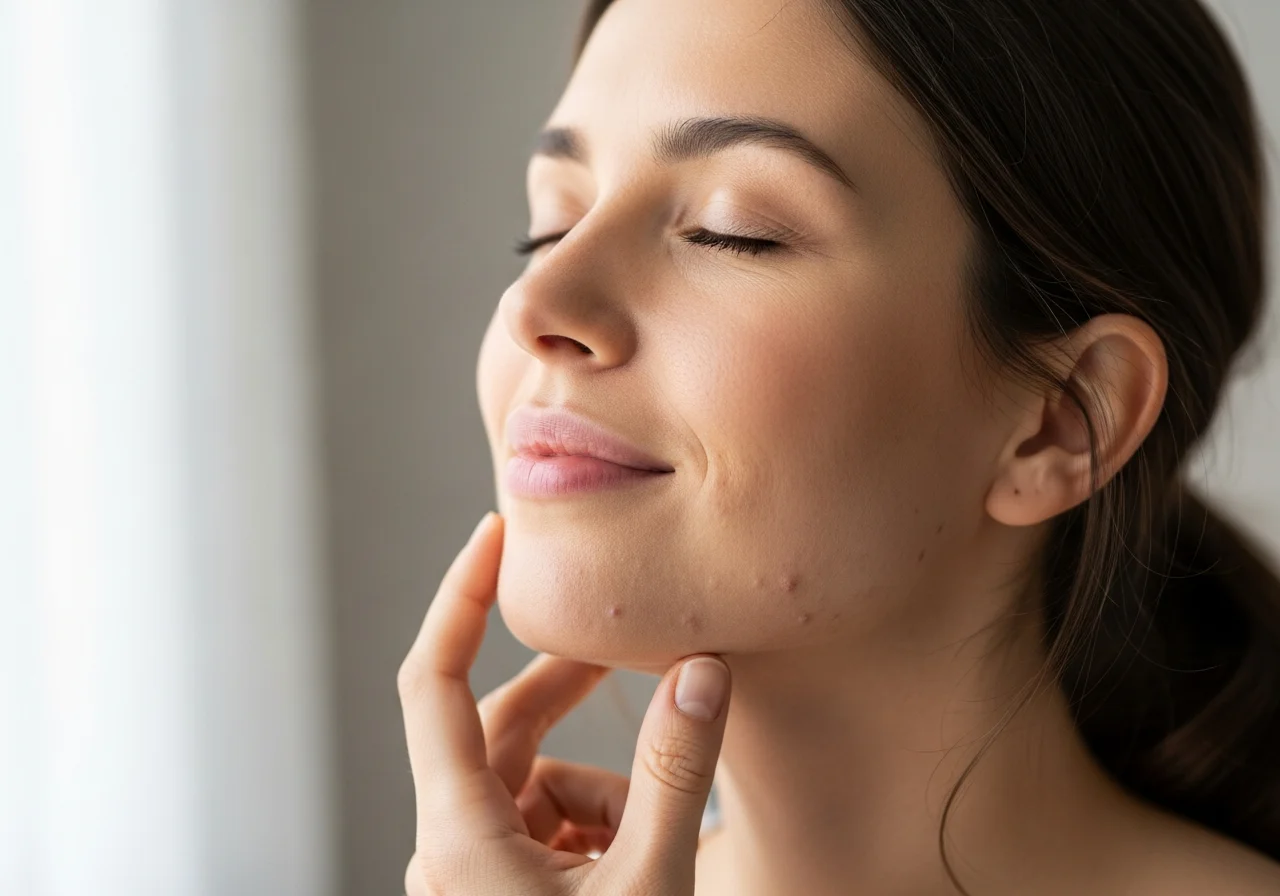
Acne during pregnancy is driven by hormones, not by anything you did wrong. In the first trimester, levels of androgens rise, and those hormones tell your sebaceous glands to produce more oil. That extra oil mixes with dead skin cells, clogs pores, and feeds the bacteria behind inflammatory breakouts. This is why so many women notice acne breakouts as an early pregnancy sign, sometimes before a positive test. For many patients the acne peaks early and calms down as estrogen rises later in pregnancy, but that pattern is not guaranteed.
Two groups tend to flare the most: women who are 25 or younger and women in their first pregnancy. If you dealt with hormonal acne before conceiving, pregnancy can amplify it. Understanding the mechanism matters because it shapes the whole approach to acne treatments and pregnancy: you are managing a hormone-driven condition with the gentlest tools available, not attacking it with everything in the cabinet.
Which Acne Treatments Should You Avoid During Pregnancy?
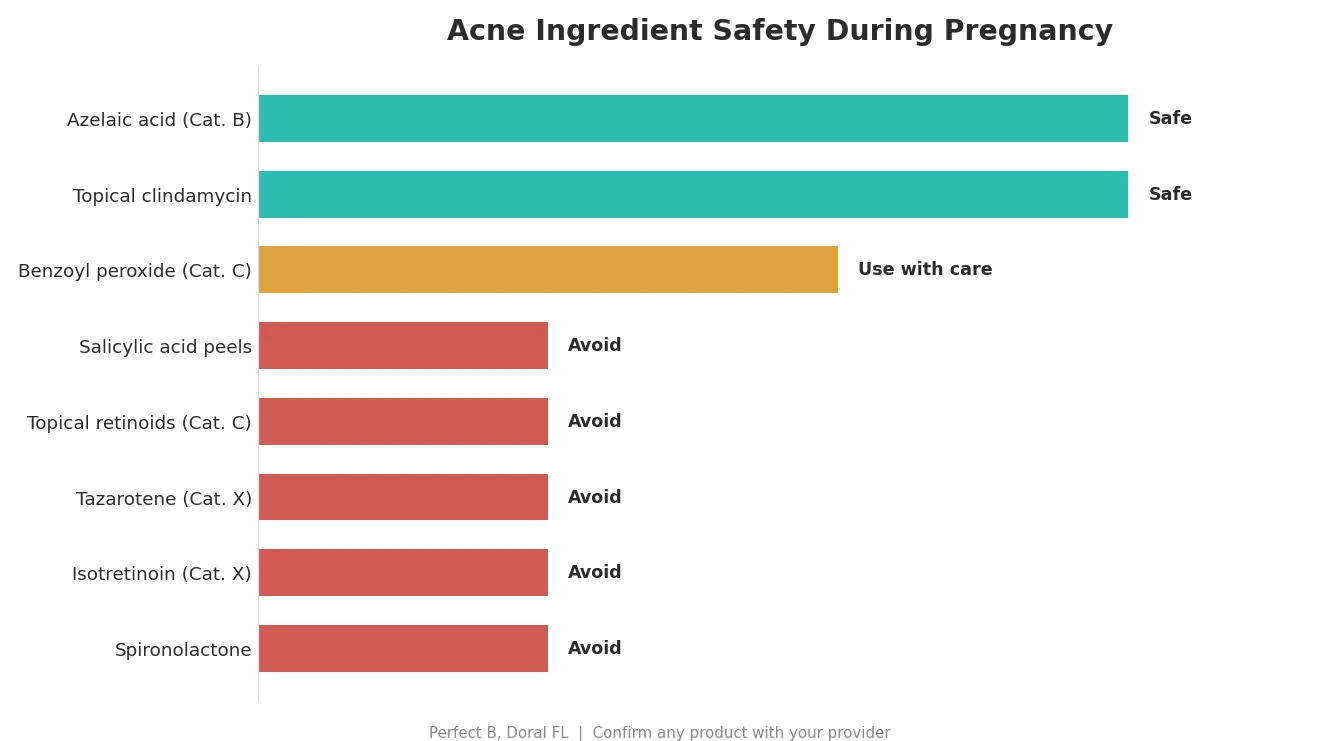
The list of what to stop is short but non-negotiable. These ingredients carry a known or strongly suspected risk and have no place in a pregnancy routine.
- Oral isotretinoin: absolutely contraindicated. It is a powerful teratogen that causes severe birth defects, and it must be stopped at least one month before conception.
- Topical retinoids: tretinoin, adapalene, and tazarotene should be discontinued. Tazarotene is FDA category X. Even though skin absorption is low, experts recommend avoidance, so the answer to whether retinol is safe during pregnancy is no.
- Spironolactone and hormonal acne drugs: avoided in pregnancy because of the risk to fetal development.
- High-strength salicylic acid and peels: we keep patients away from salicylic acid peels during pregnancy. Whether salicylic acid is safe during pregnancy depends entirely on dose, and at Perfect B we play defense rather than gamble on concentration.
- Oral tetracyclines: doxycycline and minocycline can discolor the baby’s teeth after about 15 weeks and are avoided.
Benzoyl peroxide is a gray area. Some dermatology sources consider it acceptable in limited amounts, while others recommend holding it. Because only about five percent of a topical product is absorbed systemically, the data leans reassuring, but we still default to the most conservative path and reach for gentler actives first. The American Academy of Dermatology’s overview of which acne medications are never safe to take during pregnancy and which are considered lower risk aligns with this conservative framework.
Pregnancy Acne Treatment: What Actually Works
Avoiding the unsafe list does not mean doing nothing. An effective pregnancy acne treatment leans on a short lineup of ingredients with strong safety records and real results.
- Azelaic acid: this is our hero. Azelaic acid pregnancy safety is strong, because it is rated FDA category B, the most reassuring rating an acne active can carry. It fights breakouts and fades the post-inflammatory pigmentation that often follows, which is why azelaic acid pregnancy use is a two-for-one tool.
- Niacinamide: a well-tolerated serum that calms inflammation, supports the barrier, and helps regulate oil. You can read more in our breakdown of what niacinamide actually does for acne-prone and inflamed skin and why it pairs well with gentle routines.
- Mineral sunscreen: a zinc or titanium SPF is essential, because pregnancy hormones make melasma far more likely and sun exposure deepens it.
- Topical clindamycin: when inflammatory lesions need more, this prescription antibiotic is considered safe across all trimesters and is often paired with azelaic acid.
A narrative review on the treatment of acne vulgaris during pregnancy and lactation, which confirms azelaic acid and benzoyl peroxide as comparably effective and reports that up to 43 percent of pregnant patients develop acne supports this exact approach. For azelaic acid pregnancy use specifically, that category B rating is what makes it our anchor. The point of any honest pregnancy acne treatment is to choose proven, low-absorption tools and use them consistently rather than chasing fast results with risky actives.
A Pregnancy-Safe Skincare Routine, Step by Step
Skin care for acne during pregnancy should be simple, gentle, and barrier-first, and this routine is the foundation of any pregnancy acne treatment. When it comes to acne treatments and pregnancy, less is genuinely more. Here is the routine we send patients home with.
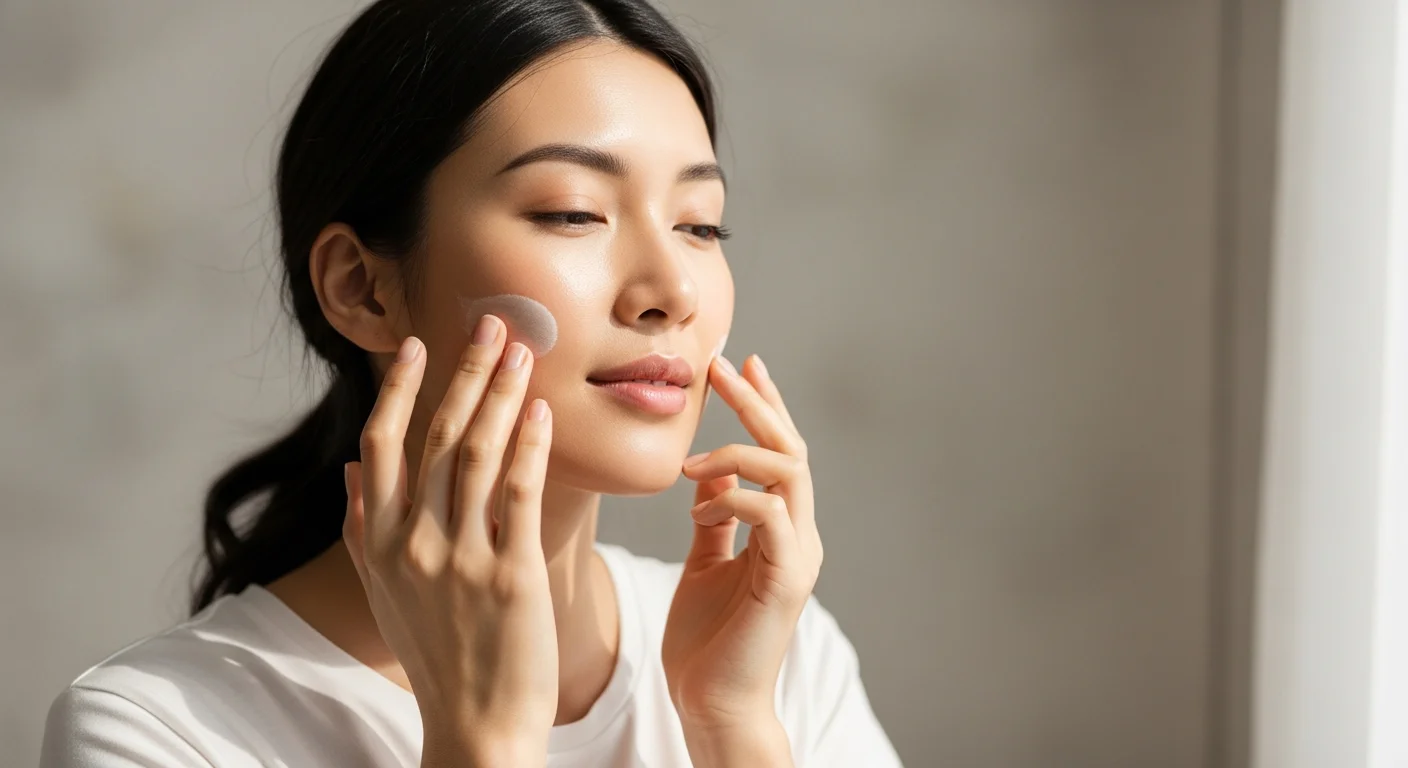
- Morning: gentle gel cleanser, niacinamide serum, oil-free moisturizer, mineral SPF.
- Evening: gentle gel cleanser, azelaic acid, oil-free moisturizer.
- Avoid: harsh scrubs, picking, and any product that leaves skin tight or stinging.
That is the whole plan, and its simplicity is the point. Pregnancy acne remedies that pile on actives tend to wreck the barrier, which makes redness and breakouts worse. A short, consistent routine keeps things from spiraling.
Pregnancy Melasma: Acne Is Not the Only Skin Change
Pregnancy hormones do more than trigger breakouts. Melasma during pregnancy, the brown patches often called the mask of pregnancy, is extremely common and loves sun exposure. This matters for acne patients because picking at breakouts plus UV exposure can leave dark marks that linger long after the pimple is gone, especially in the medium and deeper skin tones we treat across Miami. The defense is the same mineral SPF you are already using for acne, applied daily and reapplied. For patients who want a fuller plan after delivery, our medical melasma treatment plan at Perfect B that layers pigment-targeting actives and in-office options once pregnancy and breastfeeding are complete is the next step.
Is There a Safe Acne Treatment While Pregnant You Can Get In-Clinic?
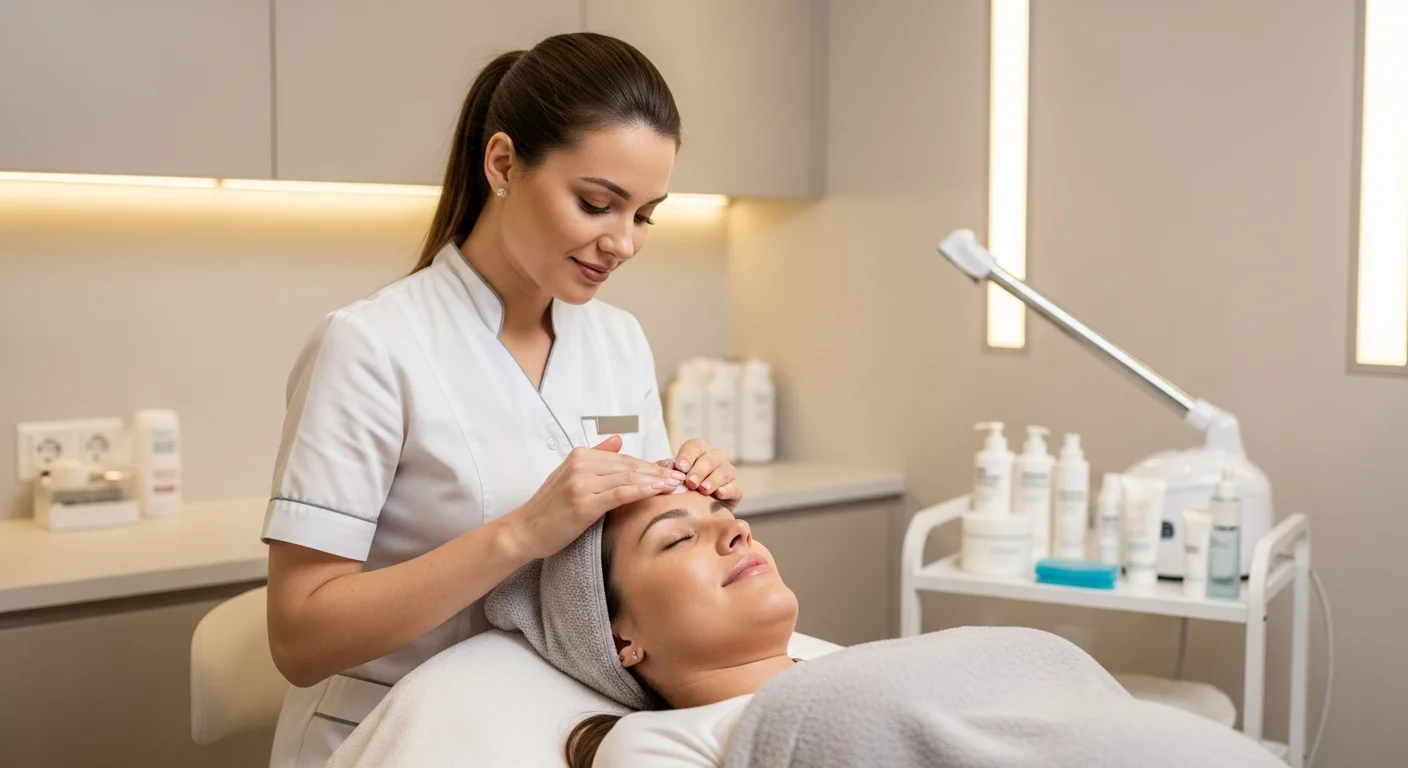
Yes. The myth is that pregnancy means no professional treatment at all, and that is not true. A safe acne treatment while pregnant exists, it just looks different from your pre-pregnancy plan. At our Doral, FL clinic we offer a gentle HydraFacial done with water and a calming serum only, no active acids, so pores get cleared and debris is removed with zero systemic absorption risk.
This is the safest way to get a professional deep clean while expecting, and it is a real upgrade over fighting breakouts with home care alone. A safe acne treatment while pregnant is about subtraction: we remove the actives and the aggressive devices, and we keep the gentle, mechanical benefit. When patients ask what acne treatments and pregnancy can coexist with, this acid-free facial is the clearest example. You can see how it fits the bigger picture in our staged medical acne treatment plan at Perfect B that maps gentle pregnancy-safe options now against stronger clinical treatments for later.
Trimester by Trimester: What Is Safe and When
The safe toolkit is fairly stable across pregnancy, with a few timing notes worth knowing.
- First trimester: breakouts are usually at their worst. Start the gentle routine now: azelaic acid, niacinamide, mineral SPF, and a gel cleanser. Stop any retinoid or salicylic acid peel immediately.
- Second trimester: many women see acne ease as estrogen rises. Stay consistent. If inflammatory lesions persist, topical clindamycin can be added under supervision.
- Third trimester: continue the same plan. This is when melasma and barrier sensitivity often peak, so SPF discipline matters most. Plan the postpartum chat with your provider now.
A good pregnancy acne treatment does not change wildly from trimester to trimester. It stays gentle, it stays consistent, and it sets up the handoff to the postpartum plan.
The Postpartum Acne Treatment Plan: Going Full Force After Delivery
This is the part most articles skip, and it is the most important. The hormonal crash after birth can trigger a whole new wave of breakouts. Some women who glowed through pregnancy suddenly flare at six weeks postpartum. So we always have the postpartum chat: once you deliver and you are done breastfeeding, we go full force. A postpartum acne treatment plan is written into your chart before you leave, so you are not starting from scratch when the breakouts return.
Depending on what your skin is doing, a postpartum acne treatment plan may include options that were off-limits during pregnancy. As informational context, that can mean a salicylic acid peel series, prescription tretinoin, or, for stubborn jawline cysts, medications like spironolactone, each discussed individually with your provider once you are no longer pregnant or nursing. Hormonal acne after pregnancy is real and treatable, and you can learn more in our guide to what drives hormonal breakouts and how a medical clinic approaches them differently from over-the-counter routines.
The message we want every patient to hear is this: suffering through acne while pregnant is not your only option, and neither is white-knuckling it afterward. We manage it safely now, and we treat it aggressively later. A postpartum acne treatment plan turns that promise into a written, scheduled bridge from pregnancy to postpartum that keeps both your skin and your baby safe.
Protecting Your Skin Barrier and Preventing Scars
The single most valuable thing you can do during pregnancy is protect your barrier and avoid scars that could have been prevented. Scars and deep pigmentation are far harder and more expensive to treat than active acne. A gentle pregnancy acne treatment during these months is really an investment in easier clearing later. That is why the gentle approach is not a compromise, it is a strategy: by keeping inflammation low and never picking, you walk into the postpartum period with skin that is easier to clear and far less likely to be marked. Brightening and texture work belong to that later phase, which is why our brightening treatment plan at Perfect B for fading post-acne marks and uneven tone once it is safe to use stronger actives is part of the long game we map out with you.
Frequently Asked Questions
Q1: Is azelaic acid safe during pregnancy?
Yes. Azelaic acid is rated FDA pregnancy category B, the most reassuring rating among acne actives. It treats both breakouts and the pigmentation that often follows, and azelaic acid pregnancy guidance is consistent across dermatology sources, which is why it is our first-choice ingredient for acne during pregnancy.
Q2: Can I use benzoyl peroxide while pregnant?
Benzoyl peroxide is considered low risk by many sources because only a small amount is absorbed, but recommendations vary. We take the conservative path and prefer azelaic acid and niacinamide first. Always clear any product with your provider.
Q3: When does pregnancy acne start and when does it go away?
It often starts in the first trimester, sometimes as an early pregnancy sign, when androgens rise. Many women improve in the second trimester as estrogen increases, though some flare again postpartum during the hormonal crash.
Q4: Can I get a HydraFacial or facial while pregnant?
Yes, in a modified form. We perform a gentle HydraFacial with water and a calming serum only, no active acids, so pores are cleared without systemic absorption risk. We skip chemical peels and aggressive devices until after pregnancy.
Q5: Why did my acne get worse after giving birth?
The sharp drop in pregnancy hormones after delivery can trigger a new wave of breakouts, often around six weeks postpartum. This is common and treatable, and it is exactly what the postpartum acne treatment plan is built to address.
Q6: Can I treat acne while breastfeeding?
Many gentle options like azelaic acid remain appropriate while nursing, while stronger systemic treatments are typically held until you finish breastfeeding. We tailor the timeline to you so nothing interferes with feeding.
Q7: Does pregnancy acne cause scarring?
It can, especially if lesions are picked or left inflamed. Protecting the barrier, avoiding picking, and using daily mineral SPF are the best ways to prevent the scars and dark marks that are far harder to treat later.
Closing: The Clinical Bottom Line on Acne and Pregnancy
Acne during pregnancy is a hormone-driven problem with a short, safe, and genuinely effective set of solutions. Azelaic acid, niacinamide, mineral SPF, a gentle routine, and an acid-free in-clinic facial keep breakouts under control while protecting your barrier and preventing scars. The unsafe list, retinoids, isotretinoin, spironolactone, and salicylic acid peels, stays firmly off the table until after you deliver and finish nursing. A safe acne treatment while pregnant paired with a written postpartum plan is the full bridge, and the honest truth about acne treatments and pregnancy is that the safe list is short but it works.
The difference between guessing from a product label and following a supervised plan is the difference between hoping and knowing. A provider can confirm what is safe for your stage, manage breakouts now, and have the postpartum plan ready the moment stronger treatment becomes appropriate. That continuity, from pregnancy through postpartum, is what protects both your skin and your baby.
- 📍 Perfect B | 3905 NW 107th Ave, Suite 104, Doral FL 33178
- 📞 Call or message us at (786) 502-2260 to schedule your pregnancy-safe skin consultation with a licensed medical provider.
- 💳 Buy Now Pay Later: Cherry, Klarna, Afterpay, CareCredit