Perfect B, Doral Fl. | 07.09.26 | 13 min read.
This article is for general educational purposes and is not medical advice, a diagnosis, or a substitute for an in-person evaluation. Acne type, severity, and skin tone vary from person to person, and prescription treatments and in-office procedures must be selected and supervised by a licensed medical provider. Recommendations here are examples, not a personal treatment plan. For more on this, see our guide to Best Acne Treatment for Sensitive Skin, and how it is evaluated and treated at Perfect B in Doral.
Acne in Hispanic and Latino Skin: Treat the Mark, Not Just the Pimple
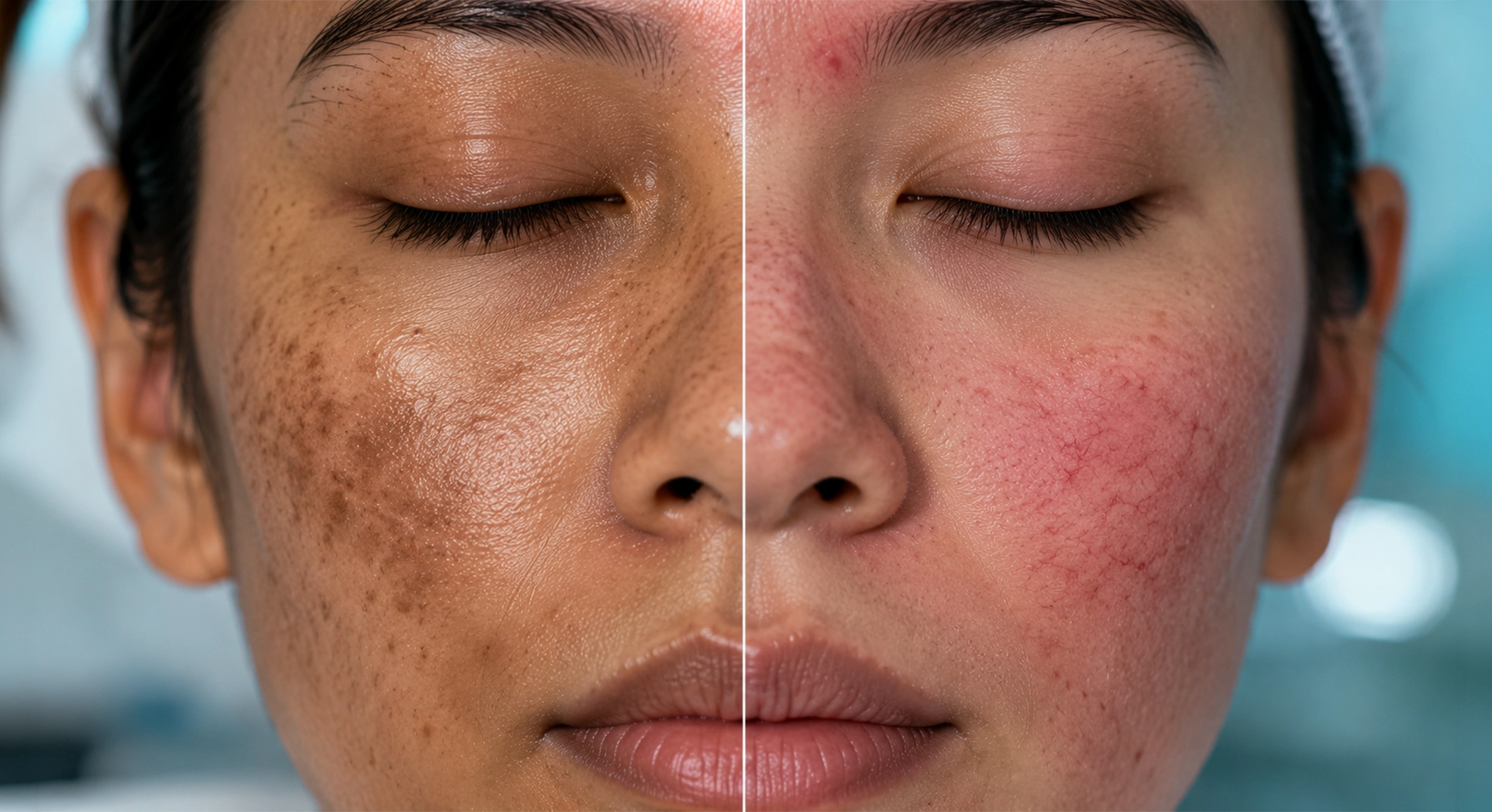
If you have acne in Hispanic or Latino skin, you already know the pimple is only half the story. The other half is what it leaves behind: a flat brown or tan mark that can linger for months after the breakout is gone. That is post-inflammatory hyperpigmentation, and in medium Latino skin around Fitzpatrick types three to four, it is often the more distressing problem. It is also the reason the aggressive, dry-it-out advice all over the internet can backfire here, because irritation itself triggers more pigment. Related reading: The Best Treatments for Acne Scar Removal, and how it is evaluated and treated at Perfect B in Doral.
This guide explains why Latino skin needs a different acne plan, why the dark mark deserves as much attention as the breakout, and how a gentle, pigment-safe approach clears skin without leaving new spots behind. It is written for medium Latino and Hispanic skin in Miami, where year-round sun makes pigment control non-negotiable. If your skin is on the deeper Fitzpatrick five to six end, the approach shifts again, and we cover that separately.
Key Takeaways
- The mark is the problem: in Latino skin, post-inflammatory hyperpigmentation often outlasts and outweighs the breakout itself.
- Gentle beats aggressive: harsh, irritating routines trigger more pigment, so a calm, pigment-safe plan clears skin faster here.
- Sun protection is treatment: in Miami’s year-round sun, daily broad-spectrum sunscreen is the single most important step against dark marks.
- Know your pigment: a dark mark, melasma, and a true scar are different problems that need different treatments.
- Supervised and safe: peels, lasers, and prescription topicals work on medium skin when a provider matches them to your skin tone.
Why Latino Skin Needs a Different Acne Plan
Latino and Hispanic skin tends to have more active melanocytes, the cells that produce pigment, which is what gives medium skin its warm tone and also makes it react to inflammation by producing extra pigment. So while someone with very fair skin might get a red mark after a pimple that fades on its own, acne in Hispanic skin frequently leaves a brown mark that can last for months. Any acne plan that ignores this leaves you clear of pimples but covered in spots.
The fix is not more aggressive treatment, it is smarter treatment. The goal for medium Latino skin is to calm the breakout while protecting against new pigment at every step, which usually means gentler actives introduced carefully and disciplined sun protection. For the full menu of options, our complete hub comparing every acne treatment option for Miami and Doral patients, from daily topicals through advanced in office procedures is the best starting point.
The Real Problem: The Dark Mark, Not the Pimple
When a pimple becomes inflamed, that inflammation signals nearby melanocytes to pump out extra pigment. As the pimple heals, the pigment stays behind in the skin as a flat brown or tan spot, which is post-inflammatory hyperpigmentation, or PIH. In Latino skin this happens more readily and the marks sit longer, sometimes for six months or more, which is why so many patients tell us the leftover spots bother them more than the original acne did.
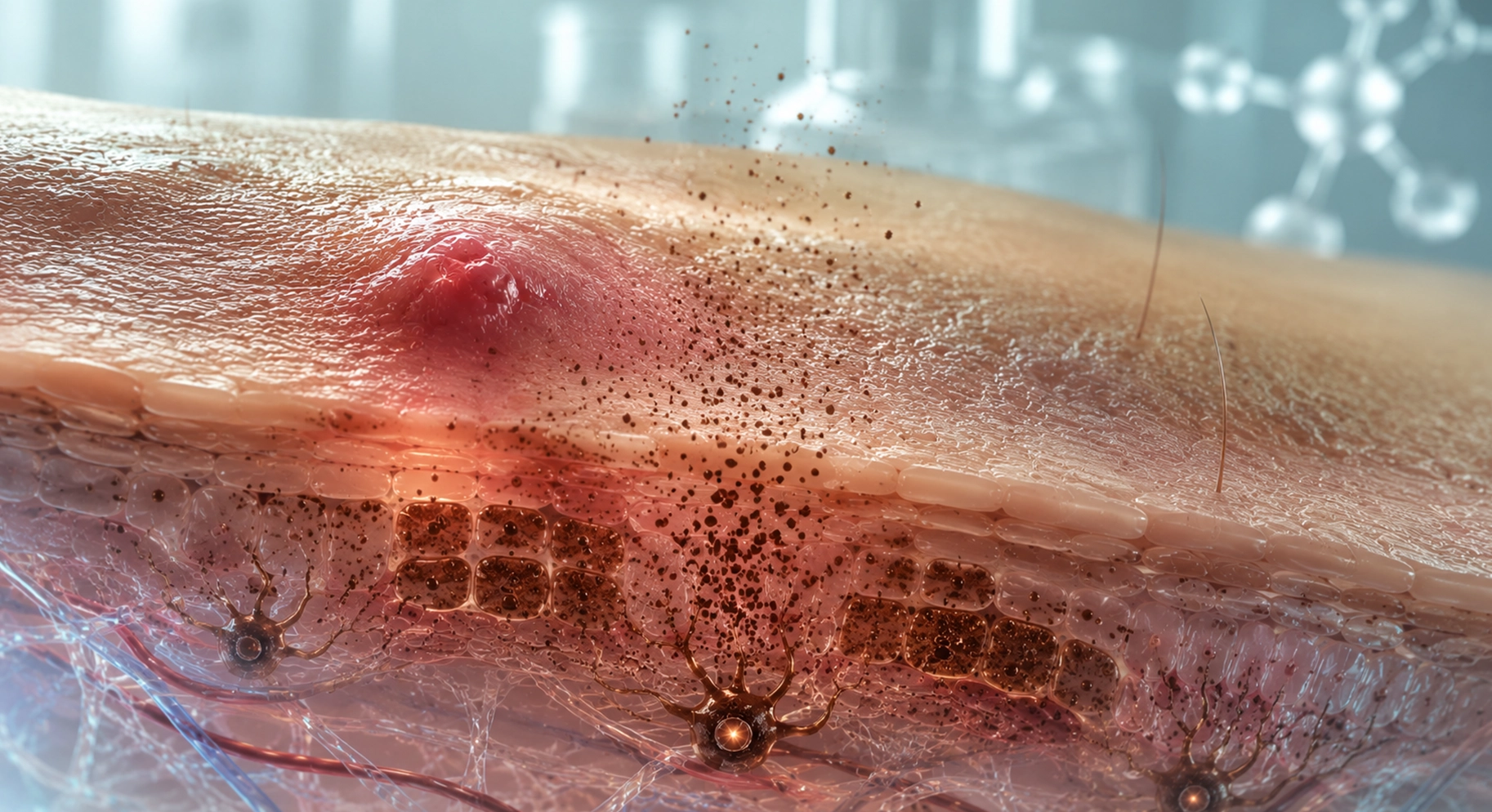
The practical takeaway is that preventing and calming breakouts quickly is also how you prevent dark marks, so the two goals are really one. If you want the deeper science, a full explainer on post-inflammatory hyperpigmentation, why it forms after a breakout, and how long the marks typically take to fade on their own covers what to expect.
Fitzpatrick Three to Four and Melanin: What Changes
Skin is often grouped on the Fitzpatrick scale, and most Latino and Hispanic skin falls around types three to four, meaning it tans easily and rarely burns. That same melanin activity that protects against sunburn is what makes the skin quick to produce pigment in response to injury, inflammation, or heat. It sits in a middle zone: more forgiving of certain in-office treatments than the deepest skin tones, but still far more pigment-reactive than fair skin.
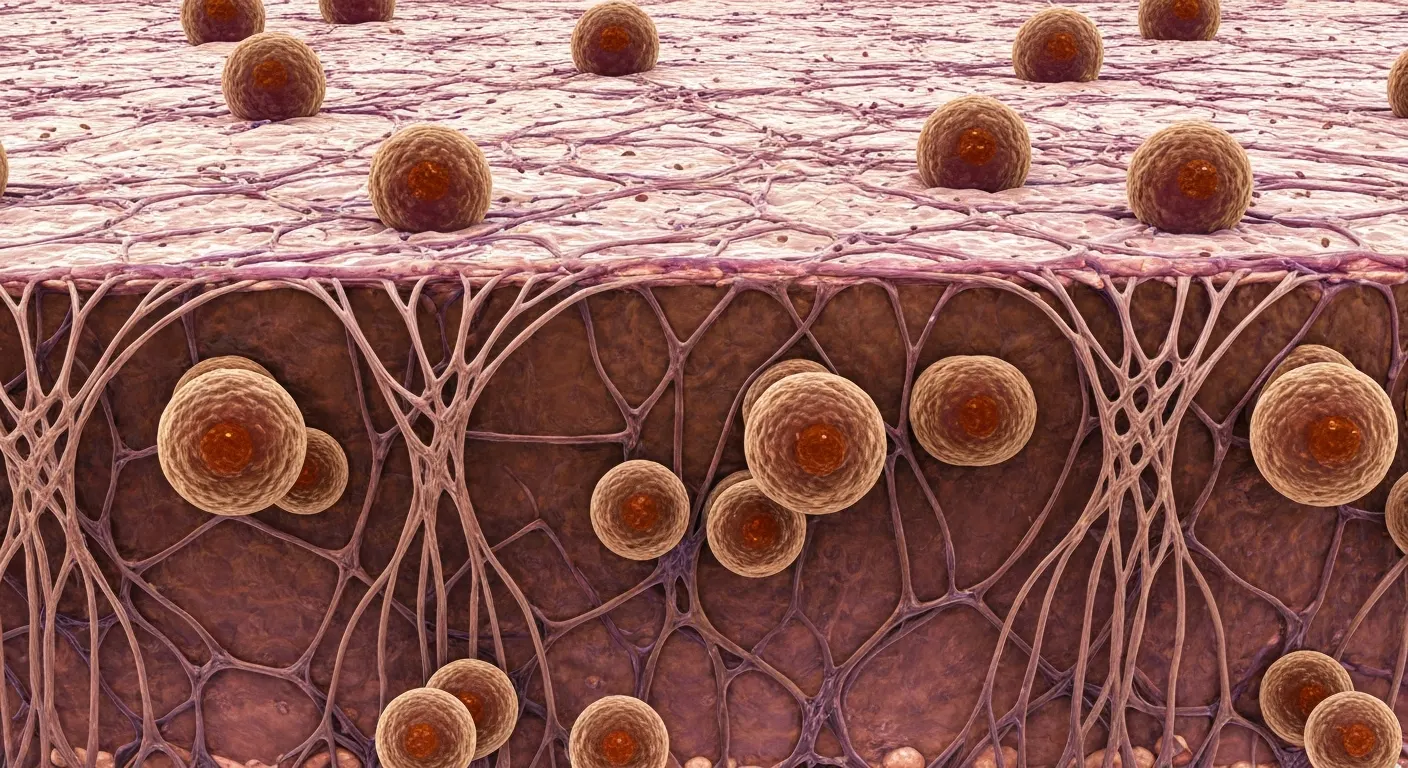
This middle zone is exactly why a provider who understands skin of color matters. The same peel or laser setting that is perfect for one skin type can trigger pigment in another, so matching the treatment to your skin is the whole game. It is also why this guide focuses on medium Latino skin specifically, while our dedicated guide to acne and dark marks in deeper, richer skin tones on the Fitzpatrick five to six end, where the approach shifts again toward even gentler protocols handles the deepest tones.
Dark Mark, Melasma, or True Scar? Know the Difference
One of the most common mistakes is treating every discoloration the same way. A flat dark mark from a pimple, the symmetric brown patches of melasma, and a true textural scar are three different problems, and confusing them leads to treatments that do not work or make things worse. This is especially important for Latinas, in whom melasma is common and is easily aggravated by the same heat and light that some treatments use. The table below sorts them out.
| Type | What it looks like | Generally treated with |
|---|---|---|
| PIH (acne dark mark) | Flat brown or tan spot where a pimple healed, no texture change | Gentle pigment-safe topicals, sun protection, careful peels |
| Melasma | Larger symmetric brown patches, often on cheeks, hormone and sun driven | Topicals and strict sun protection; in-office done cautiously to avoid flares |
| True acne scar | A change in texture, either an indentation or a raised bump, that is permanent | Microneedling, subcision, resurfacing, or regenerative treatments, not topicals alone |
Getting this right saves time and money. If your discoloration is flat, it is pigment and responds to the gentle approach here; if the surface is dented or raised, that is a scar and needs a different plan. Our overview of hyperpigmentation treatment in Miami, covering the in office options that fade dark spots safely on medium and darker skin tones goes deeper on the pigment side.
Why Gentle-First Wins on Medium Skin
The instinct with acne is to attack it, but on pigment-prone Latino skin, aggression is counterproductive. Over-scrubbing, harsh actives layered too fast, and picking all cause inflammation, and inflammation is exactly what creates the dark marks you are trying to avoid. A gentle-first plan introduces one active at a time, keeps the skin barrier calm, and treats the acne firmly but without collateral irritation. Counterintuitively, the calmer route clears medium skin faster because it is not constantly generating new pigment.
This is the core philosophy for acne in Latino skin: control the breakout and protect the tone at the same time, never trading one for the other. A provider builds that balance into every step, which is hard to replicate with random products bought online.
Pigment-Safe Topicals That Do Double Duty
The best topicals for acne in Hispanic skin treat the breakout and fade the mark at once. Azelaic acid is a standout because it calms acne and helps even tone without harsh irritation, making it a favorite for pigment-prone skin. Niacinamide supports the barrier and helps with pigment, and a gentle daily exfoliant like salicylic acid keeps pores clear. Prescription retinoids are powerful for both acne and pigment, but on medium skin they must be introduced slowly and under provider supervision to avoid the irritation that triggers new marks.
You can read more on two of these workhorses in how azelaic acid works to calm breakouts and fade dark marks at the same time, which makes it a favorite ingredient for pigment-prone skin and how salicylic acid clears pores as a daily-use exfoliant and where it fits within a routine for oily, acne-prone skin. A provider tailors the combination and pace to your skin.
In-Office Options: Peels, Lasers, and Regenerative Care Done Right
Medium Latino skin has more latitude for in-office treatments than the deepest tones, but every option still has to be chosen with pigment safety in mind. Appropriately selected chemical peels can accelerate the fading of dark marks when they are matched to your skin type rather than pushed too deep. Lasers and microneedling can help with both marks and texture, but on pigment-prone skin they demand conservative settings and an experienced hand, because the wrong energy can cause the very hyperpigmentation you are treating.
For post-acne texture and support, regenerative treatments such as PDRN can aid skin repair without the pigment risk of aggressive resurfacing. The unifying rule is simple: on Latino skin, in-office treatment is safe and effective when a provider matches it to your tone and takes a measured pace, and risky when it is rushed.
Sun Protection in Miami Is Not Optional
If you do one thing for acne in Hispanic skin, make it daily sunscreen. Ultraviolet light drives melanocytes to produce more pigment, so every unprotected day in Miami’s sun darkens existing marks and undoes treatment progress. This is why dark spots that seem to fade come right back without consistent protection. A broad-spectrum, non-comedogenic sunscreen worn every single day, reapplied outdoors, is the foundation that makes everything else work.
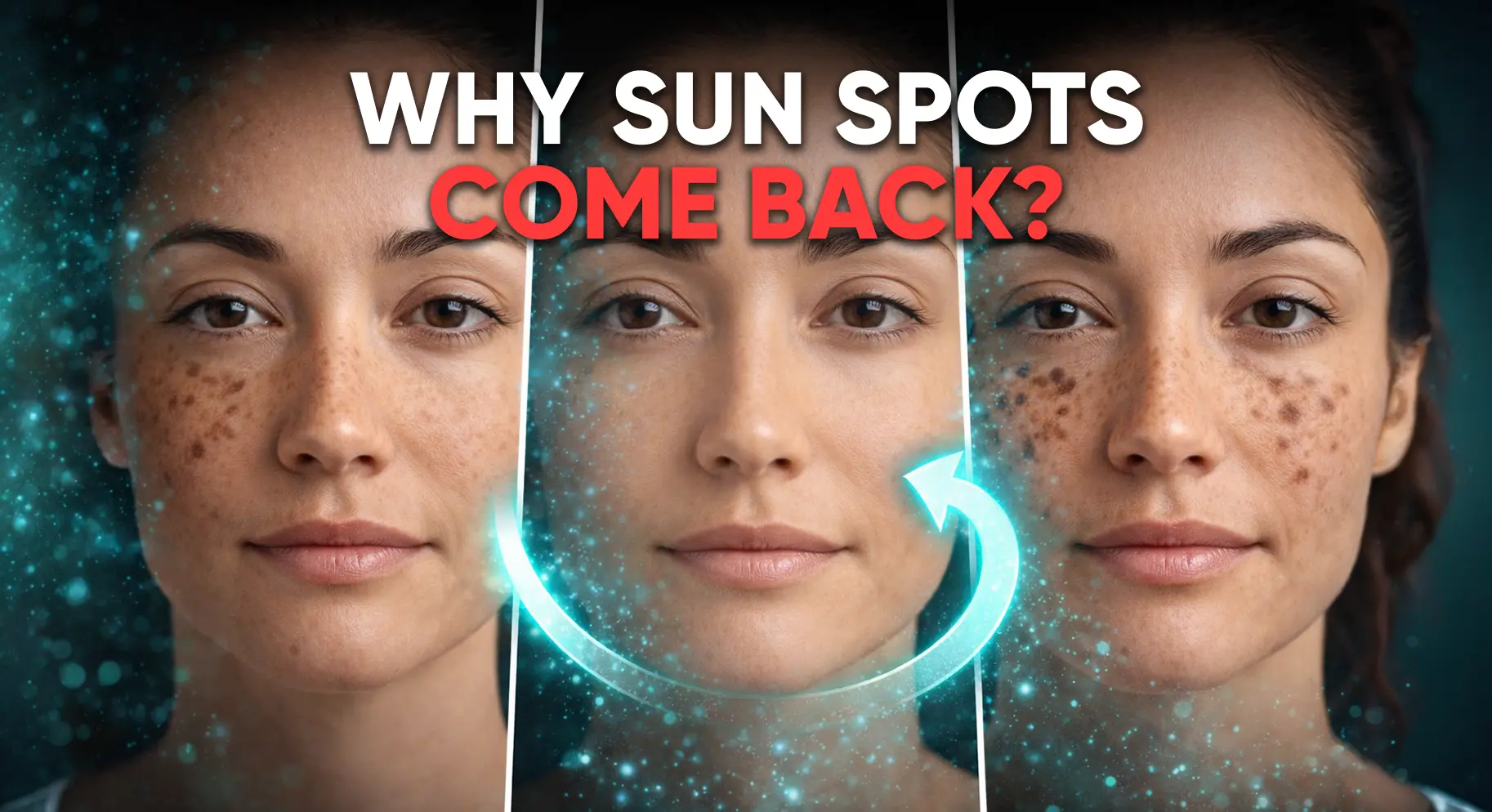
Choosing the right formula matters for acne-prone skin, so how to choose a non-comedogenic sunscreen for acne-prone skin, the single most important daily step for anyone fighting dark marks in Miami’s sun walks through what to look for. Think of sunscreen as part of the treatment, not an afterthought.
What to Expect at a Consultation in Doral
At Perfect B in Doral, a plan for acne in Latino skin starts with a provider examining your skin, identifying your acne type and whether you have PIH, melasma, or true scarring, and considering your Fitzpatrick type and sun exposure. From there comes a staged, pigment-safe plan that treats the breakouts while protecting your tone, along with realistic timelines, because fading dark marks takes patience even when everything is done right. Many of our patients and providers are part of the same Hispanic community, so the care is culturally grounded, not generic.
You should leave understanding each step, why it was chosen for your skin, and how to protect your results. The reference guidance from the American Academy of Dermatology on how clinicians diagnose and treat acne, including the extra care pigment-prone skin requires reinforces that a supervised, individualized plan is what manages acne and its marks most reliably.
Frequently Asked Questions
1. Why does Hispanic skin get more dark spots from acne?
Latino and Hispanic skin has more active melanocytes, so inflammation from a pimple prompts extra pigment that stays behind as a flat dark mark. This post-inflammatory hyperpigmentation is more common and longer lasting in medium skin, which is why calming acne early protects your tone.
2. How long do acne dark marks last on Latino skin?
Dark marks on medium Latino skin can linger for several months, sometimes six months or more, and daily sun exposure makes them last longer. Consistent sun protection and a gentle, pigment-safe plan speed up fading, while irritation and picking prolong it.
3. Are chemical peels safe for Hispanic skin?
Yes, when they are matched to your skin type rather than pushed too deep. Appropriately selected peels can fade dark marks on medium Latino skin, but the depth and type must be chosen by a provider who understands skin of color, since an overly aggressive peel can trigger more pigment.
4. Can I use retinoids if I hyperpigment easily?
Often yes, but carefully. Retinoids help both acne and pigment, yet on medium skin they must be introduced slowly and under provider supervision, because too much too fast causes the irritation that leads to new dark marks. Your provider sets the strength and pace.
5. Is laser or microneedling safe on Fitzpatrick three to four skin?
They can be, with conservative settings and an experienced provider. Medium Latino skin has more latitude than the deepest tones, but pigment-prone skin still needs matched energy and a measured pace, because the wrong settings can cause the hyperpigmentation you are trying to treat.
6. How do I tell a dark mark from an acne scar?
Look at the surface. A dark mark is flat, just a change in color where a pimple healed, and it fades over time. A true scar is a change in texture, either an indentation or a raised bump, and it is permanent without treatment. A provider confirms which you have.
7. Does the Miami sun make acne dark marks worse?
Yes. Ultraviolet light drives more pigment production, so unprotected sun exposure darkens existing marks and reverses progress. In Miami’s year-round sun, daily broad-spectrum sunscreen is the single most important step for keeping dark marks from returning.
8. What is the best sunscreen for acne-prone Latino skin?
The best sunscreen is a broad-spectrum, non-comedogenic formula you will actually wear every day. Non-comedogenic means it will not clog pores, and broad-spectrum protects against the light that darkens marks. A provider can suggest a formula that suits oily or acne-prone skin.
Clear Skin and Even Tone, Built for Latino Skin
Acne in Hispanic and Latino skin is very treatable when the plan respects how your skin works: clear the breakouts, fade the marks, and protect your tone at every step. The wrong approach clears pimples while leaving spots; the right approach does both at once, gently and under supervision. In Miami’s sun, that pigment-safe, culturally grounded care is exactly what turns a frustrating cycle into lasting, even-toned skin.
Reach out to Perfect B in Doral for a plan built around your skin, with financing available so a full plan stays within reach. Even-toned, clear skin is a realistic goal with the right medical approach.
- 📍 Visit us at Perfect B, 3905 NW 107th Ave, Suite 104, Doral FL 33178
- 📞 Call or message us at (786) 502-2260
- 💳 Financing available through Cherry, Klarna, Afterpay, and CareCredit