Perfect B, Doral Fl. | 07.14.26 | 10 min read.
This article is for general educational purposes and is not a substitute for an in-person medical evaluation. Rosacea is a chronic medical condition, and any skin booster is prescribed and administered by a licensed medical provider after assessing whether your skin is a safe candidate. Candidacy, protocols, and results vary from person to person, and your plan is confirmed at a personal consultation.
PDRN for Rosacea-Prone Skin: What Reactive Skin Should Know First
If you have rosacea-prone or reactive skin, you have probably learned to fear new treatments, because the wrong one flushes, stings, or leaves you red for days. That is exactly why PDRN, the salmon DNA skin booster, has caught the attention of people with sensitive skin: it is known for a calming, low-irritation profile and for supporting the skin as it repairs rather than stripping or forcing it. This guide explains, honestly, where PDRN can genuinely help reactive skin, where it cannot, and why the safest version of any plan for rosacea-prone skin runs through a licensed provider.
The short version is that PDRN is not a cure for rosacea and should never be sold as one. What it can do, for the right candidate, is help strengthen a compromised barrier, calm background inflammation, and improve overall skin quality so that reactive skin feels less fragile. Whether that is appropriate for you depends on your skin, your triggers, and where you are in your rosacea, all of which a provider evaluates before anything is done.
Key Takeaways
- PDRN is not a rosacea cure: rosacea is a chronic condition that is managed, not cured, and PDRN is a supportive skin booster, not a medical rosacea treatment.
- Its appeal is the calm profile: PDRN is chosen for reactive skin because it is low-irritation and works by supporting repair rather than stripping the skin.
- Timing matters: a provider does not treat over an active flare, and waits until reactive skin is calm and stable before any booster.
- Salmon origin is a real allergy question: because PDRN is derived from salmon DNA, a fish allergy must be disclosed and assessed at the consultation.
- Supervision is the point: candidacy, timing, and safety for your skin tone are decided in person, and PDRN is often one part of a broader plan rather than a standalone fix.
What “Rosacea-Prone” and “Reactive” Skin Actually Mean
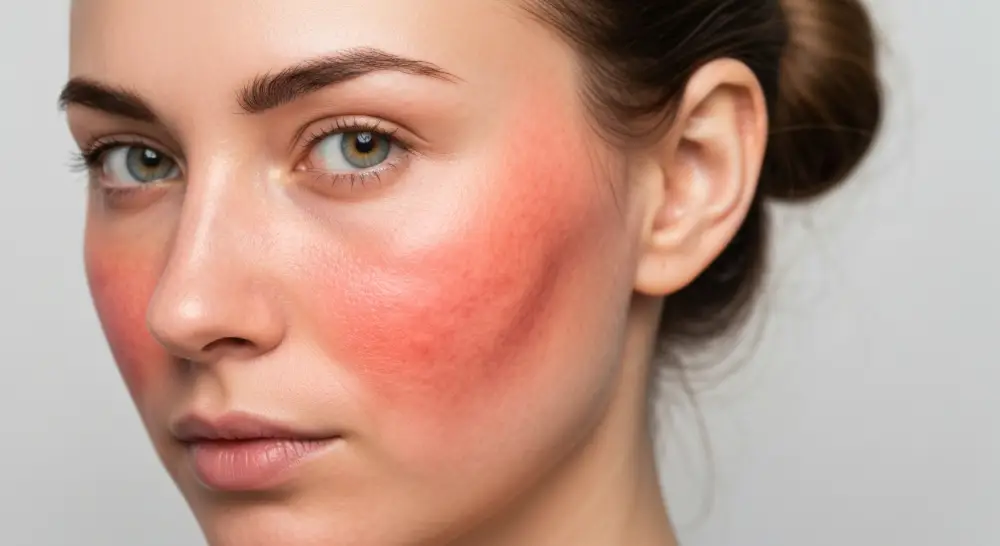
Rosacea-prone skin is skin that flushes, reddens, and reacts more easily than average, often with visible facial redness, a tendency to sting or burn, and sometimes small bumps. Reactive skin is a broader term for skin whose barrier is easily provoked by products, heat, or friction. The two overlap heavily, and in a warm, sunny city like Miami, triggers such as sun, heat, and humidity are hard to avoid, which keeps many people in a low-grade cycle of irritation.
The common thread is a compromised skin barrier and background inflammation. When the barrier is weak, the skin loses water, reacts to things that should not bother it, and stays inflamed. Any sensible plan for this skin type has one goal before all others, which is to strengthen and calm the barrier rather than push the skin harder. That principle is the entire reason a gentle, repair-focused option like PDRN even enters the conversation for reactive skin.
What PDRN Is, and Why Reactive Skin Is Drawn to It
PDRN, short for polydeoxyribonucleotide and derived from purified salmon DNA, is a skin booster used to calm inflammation and support the skin as it repairs. Rather than adding volume or resurfacing the surface aggressively, it works with the skin’s own regenerative processes to improve hydration, tone, texture, and barrier resilience. That mechanism is precisely what makes it interesting for reactive skin, because it aims to support rather than provoke.
If you want the full picture of the treatment on its own, our overview of the salmon DNA PDRN facial in Miami, including how the polynucleotide treatment works, what skin concerns it targets, and who tends to benefit most from a course explains why it has become a favorite for skin quality. For rosacea-prone skin, the draw is not dramatic transformation but a calmer, more comfortable, less fragile complexion over time.
Is PDRN Safe for Rosacea-Prone Skin?
For a suitable candidate whose skin is calm and stable, PDRN has a well tolerated, low-irritation profile that many providers consider gentler than more aggressive resurfacing options. That is why it is often the treatment reached for when the skin cannot handle heat, strong acids, or ablative lasers. But safe does not mean automatic. The safety of any booster on reactive skin depends less on the product name and more on assessment, timing, and technique, all of which a provider controls.
A responsible provider will confirm your skin is not in an active flare, review your full history including allergies, and often start conservatively. If you want the safety details on the PDRN side, read our detailed explainer on whether PDRN is safe, the side effects to expect, and the specific situations where a provider would advise caution before any treatment. Reactive skin is exactly the situation where that caution is not optional.
PDRN Is Not a Cure for Rosacea, and Why That Honesty Matters
This is the most important point in the article. Rosacea is a chronic medical condition, which means it is managed rather than cured, and no skin booster changes that. PDRN does not eliminate the underlying tendency to flush, and it is not a substitute for the medical management your provider may recommend for the inflammatory features of rosacea. Anyone who promises that a single treatment will erase rosacea is not being honest with you.
What PDRN can realistically offer is support, by helping a compromised barrier recover, calming background inflammation, and improving overall skin quality so reactive skin feels sturdier and more comfortable. Framed correctly, it is a supportive layer within a larger, provider-directed approach, not the whole plan. Setting that expectation up front is what protects you from wasting money and, more importantly, from irritating skin that was already easily provoked.
When PDRN Fits, and When a Provider Says Wait
Timing is everything with reactive skin. A provider will generally not treat over an active flare, when the skin is visibly inflamed, stinging, or breaking out in rosacea-related bumps, because introducing anything to angry skin risks making it worse. The usual approach is to first calm and stabilize the skin, often with a gentle barrier-repair routine and trigger management, and only then consider a booster once the skin is in a steady, comfortable baseline.
Good candidates tend to be people whose rosacea is under control and whose main complaint is a fragile, dull, or dehydrated complexion rather than active inflammatory flares. If your rosacea is poorly controlled, the responsible move is to address that first with appropriate medical care and revisit the idea of a booster later. A provider who tells you to wait is protecting your skin, not withholding a treatment.
The Salmon DNA and Fish Allergy Question
Because PDRN is derived from purified salmon DNA, a fish allergy is a genuine safety question that must be raised at the consultation. The material is highly purified, but anyone with a known fish or seafood allergy should disclose it clearly so the provider can assess the risk and decide whether PDRN is appropriate for you at all. This is not a detail to gloss over, especially for reactive skin that already overresponds to stimuli.
This is one more reason the treatment belongs in a supervised setting rather than a walk-in package. A provider reviews your allergy history, weighs it against your goals, and will simply choose a different approach if a salmon-derived product is not a safe fit. Honest screening here is exactly the kind of step that separates a medical plan from a menu item.
Rosacea-Prone Skin in Skin of Color
Rosacea is often assumed to only affect fair skin, but it appears across all skin tones and is frequently underrecognized in deeper skin, where the classic redness can be harder to see and may present more as warmth, sensitivity, or uneven tone. In a diverse city like Miami, that means many people with reactive, rosacea-prone skin of color have never had it named correctly, and they carry the added concern of post-inflammatory pigmentation whenever skin is irritated.
For these patients, PDRN’s calming, low-irritation profile can be an advantage, because the goal is to soothe rather than inflame. But the same rule applies with even more weight: provider experience with deeper skin tones matters more than the treatment name, because careless technique can leave marks that outlast any benefit. A thoughtful provider adjusts the whole approach to protect against pigment while supporting the barrier.
Aftercare and Protecting Reactive Skin
Aftercare for reactive skin is deliberately gentle. In the first days you keep the routine simple, avoid heat, intense exercise, strong actives, and anything that reliably triggers your flushing, and let the skin settle with a bland, barrier-supporting moisturizer. The idea is to give the skin a calm window to do its repair work without adding new stress, which is the same philosophy that made the treatment appealing in the first place.
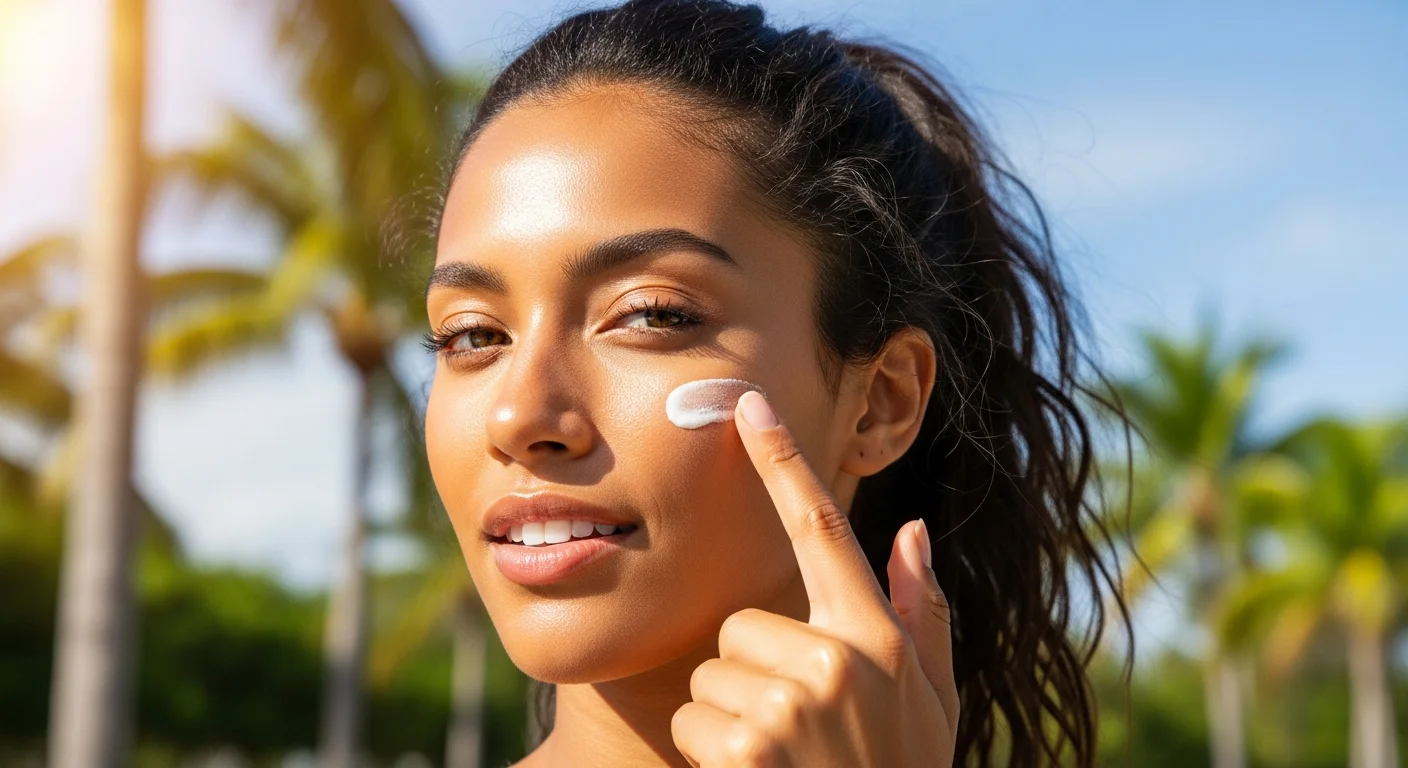
The single most important daily habit for rosacea-prone skin is sun protection, since ultraviolet exposure and heat are among the most common triggers of both flushing and irritation. Seeing what steady, gradual improvement looks like helps set expectations, and our gallery of real PDRN before and after clinical results, showing how skin texture, tone, and comfort tend to change gradually across a full course of treatment sessions illustrates that the arc is slow and steady rather than sudden.
How PDRN Fits a Supervised Plan for Reactive Skin
PDRN is most useful for rosacea-prone skin when it sits inside a broader, supervised plan rather than being bought as a one-off fix. A provider looks at your triggers, the state of your barrier, where your rosacea stands, and your goals, then decides whether a booster is appropriate at all, when to introduce it, and how it works alongside the calming, protective basics your skin needs every day. That sequencing is what keeps a gentle treatment genuinely gentle.
To see how regenerative options are layered responsibly, our supervised skin rejuvenation treatment plan for Miami and Doral patients maps how regenerative skin boosters fit alongside careful, barrier-first care for reactive skin. For background on the condition itself, trusted references such as MedlinePlus, the consumer health information service published by the United States National Institutes of Health, on understanding rosacea and how it is managed over time reinforce that rosacea is a chronic condition best handled with steady, supervised care.
Frequently Asked Questions
1. Can PDRN cure my rosacea?
No. Rosacea is a chronic condition that is managed, not cured, and PDRN is a supportive skin booster rather than a medical rosacea treatment. What it can do for the right candidate is help calm background inflammation, strengthen the barrier, and improve overall skin quality so reactive skin feels more comfortable.
2. Is PDRN safe for rosacea-prone or reactive skin?
For a suitable candidate whose skin is calm and stable, PDRN is valued for its low-irritation profile. Safety depends on assessment, timing, and technique, so a provider confirms your skin is not in an active flare and reviews your history before recommending it.
3. Can I have PDRN during a rosacea flare?
Generally no. Providers do not treat over an active flare because introducing anything to inflamed skin can make it worse. The usual approach is to calm and stabilize the skin first, then consider a booster only once the skin is back to a steady, comfortable baseline.
4. I have a fish allergy. Can I still have PDRN?
Because PDRN is derived from purified salmon DNA, a known fish or seafood allergy must be disclosed at the consultation. The material is highly purified, but the provider assesses your allergy history and will choose a different approach if a salmon-derived product is not a safe fit for you.
5. Will PDRN make my redness worse?
PDRN is chosen precisely because it aims to soothe rather than provoke, and mild, temporary redness around the treatment settles quickly for most people. The risk of a lasting flare is minimized by treating only stable skin and using conservative technique, which is why timing and provider experience matter so much.
6. Does rosacea look different in darker skin tones?
Yes. In deeper skin tones the classic redness can be harder to see and may present more as warmth, sensitivity, or uneven tone, so rosacea is often underrecognized. There is also a higher concern for post-inflammatory pigmentation, which makes a gentle approach and an experienced provider especially important.
7. How many PDRN sessions would I need?
PDRN is planned as a short course rather than a single visit, with skin quality improving session over session. For reactive skin, a provider may start conservatively and adjust the number and spacing based on how your skin responds, so the exact plan is set in person rather than in advance.
8. Do I need a consultation before trying PDRN?
Yes. PDRN is a medical treatment, so a licensed provider evaluates your skin, your triggers, where your rosacea stands, your allergies, and your skin tone before recommending it. The consultation is also where timing, candidacy, and any pricing are confirmed, so you leave with a plan built for your skin.
Support Reactive Skin the Right Way at Perfect B
If you have rosacea-prone or reactive skin and you are curious whether PDRN could help, the most useful next step is an evaluation that looks at your skin honestly and tells you whether a booster is appropriate, when, and how it fits alongside the calming basics your skin needs. At Perfect B in Doral, a provider assesses your barrier, your triggers, and your skin tone before recommending anything, so your skin is supported rather than provoked.
Reach out to start the conversation, ask your questions, and let a licensed provider design a plan built around your reactive skin.
- 📍 Visit us at Perfect B, 3905 NW 107th Ave, Suite 104, Doral FL 33178
- 📞 Call or message us at (786) 502-2260
- 💳 Financing available through Cherry, Klarna, Afterpay, and CareCredit