Perfect B, Doral Fl. | 07.10.26 | 11 min read.
This article is for general educational purposes and is not medical advice, a diagnosis, or a substitute for an in-person evaluation. Product tolerance varies by person, and what suits one type of acne-prone skin may not suit another. Any prescription treatment should be guided by a licensed provider, and pricing for in-office care is confirmed at a personal consultation.
Acne and Makeup: Can You Wear It Without Making Breakouts Worse?
Acne and makeup can absolutely coexist. You do not have to choose between covering a breakout and letting your skin heal, as long as you choose the right products and treat your skin gently around them. The problems people run into, clogged pores, more breakouts, irritation, usually come from heavy, pore-clogging formulas, aggressive application, or sleeping in makeup, not from the simple act of wearing it. With a non-comedogenic approach and a careful routine, makeup can help you feel confident while your acne is being treated, rather than sabotaging your progress.
This guide covers exactly how to wear makeup with acne-prone skin: what to look for, what to prep, how to apply and remove it, how to handle the Miami heat, and when makeup is masking a problem that needs real treatment instead. The goal is confidence today without paying for it with breakouts tomorrow.
Key Takeaways
- Yes, you can wear makeup: acne-prone skin can wear makeup safely with non-comedogenic, oil-free products and a gentle routine.
- Prep and remove matter most: clean, moisturized skin before and thorough removal at night protect you more than the makeup itself.
- Never sleep in it: leaving makeup on overnight is one of the fastest ways to clog pores and trigger breakouts.
- “Non-comedogenic” is not a guarantee: the term is not FDA-regulated, so patch testing still matters.
- Makeup is cover, not a cure: if you are constantly covering breakouts, the acne underneath is what actually needs treating.
Can You Wear Makeup If You Have Acne?
Yes. Dermatology guidance is clear that people with acne can wear makeup, and there is no need to go bare-faced while you heal. What matters is the type of makeup and how you treat your skin around it. Well-chosen products can even carry helpful ingredients, and covering a breakout can genuinely support your confidence. The trouble starts only when the formulas are heavy and pore-clogging, when makeup is applied over unclean skin, or when it is left on overnight. Get those things right and makeup becomes a neutral or even positive part of your routine rather than a cause of breakouts. If you are still building the basics, our guide to the full range of acne treatment options in Miami and how a real plan is built around your skin type gives you the foundation to work from.
Start With Non-Comedogenic and Oil-Free
The single most important rule is to choose products labeled non-comedogenic and oil-free, meaning they are formulated not to clog pores. Look for lightweight, water-based foundations, mineral makeup, and powder formulas over heavy, greasy ones. One honest caveat: the term non-comedogenic is not defined or regulated by the FDA, so it is a helpful signal rather than a promise. That is why patch testing a new product, on your jaw or behind your ear for a few days before putting it all over your face, is worth the small effort to catch a reaction early.
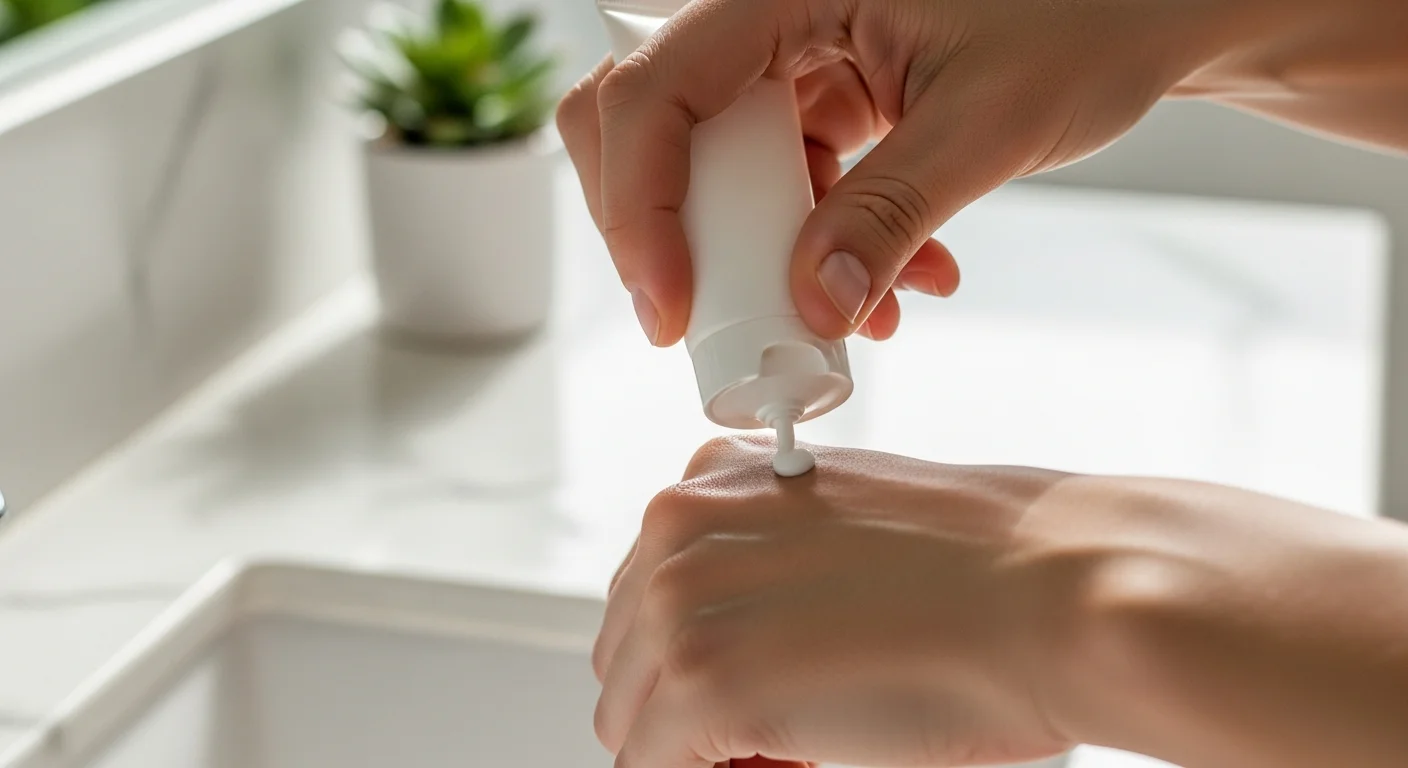
Helpful ingredients to look for include niacinamide, which is calming, and formulas that pair with acne-fighting actives. If you use targeted treatments, our articles on how salicylic acid works to keep pores clear and where it fits in an acne-prone routine alongside makeup and how azelaic acid calms breakouts and fades post-acne marks while staying gentle on most skin types explain two of the most makeup-friendly actives.
Prep Your Skin Before Makeup
What you do before makeup goes on matters as much as the makeup itself. Start with clean skin, apply any treatment products and let them absorb, then use a lightweight non-comedogenic moisturizer so your skin is not dry and flaky under foundation. In the daytime, this is also where sunscreen belongs. Well-prepped skin holds makeup better, needs less product, and is far less likely to break out. Skipping prep and piling makeup onto dry or unclean skin is a common reason breakouts get worse.
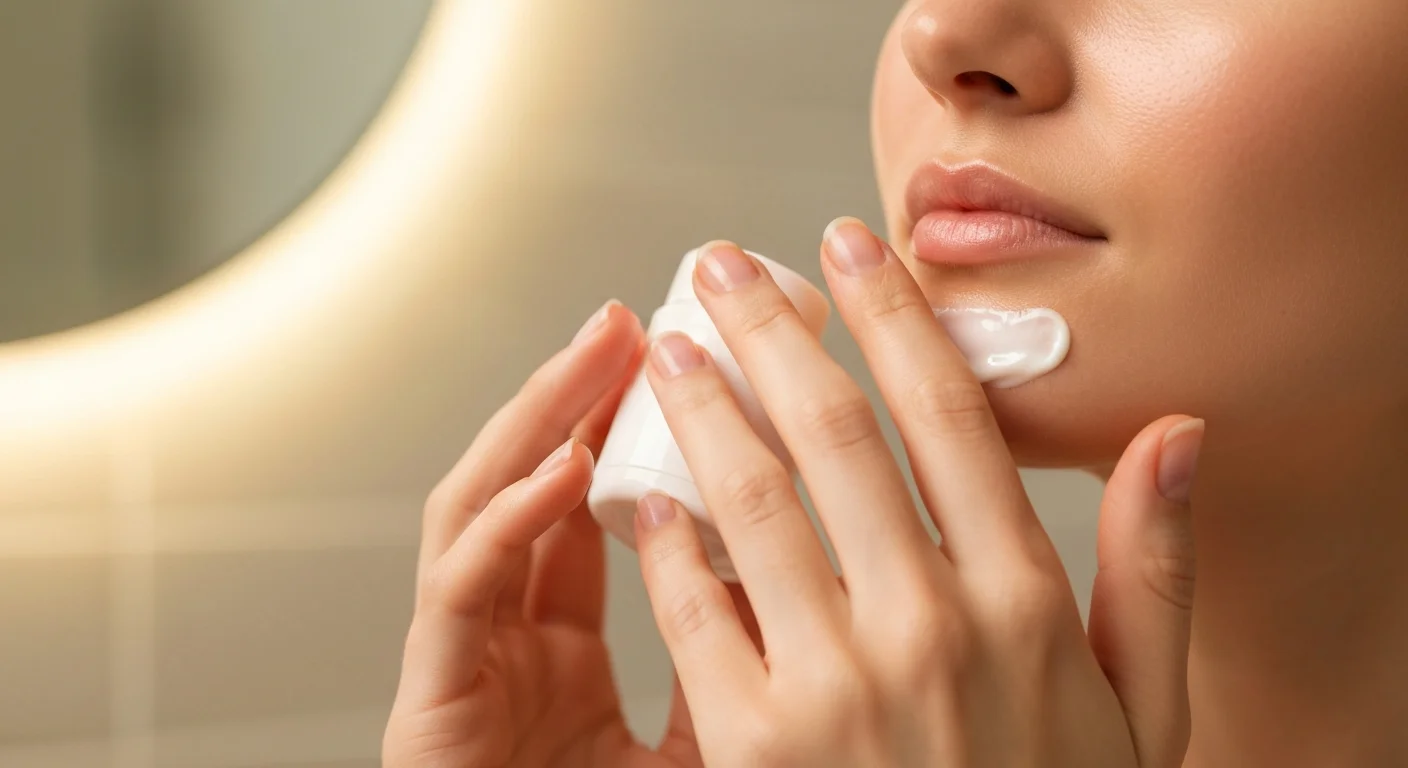
Building that base is really just a solid acne routine. For the ingredient order and habits that make skin makeup-ready, see our guide to how adult acne is managed with a consistent routine and treatments that keep skin calm enough to wear makeup comfortably.
Applying Makeup and Covering a Pimple the Right Way
Less is more with acne-prone skin. Use thin layers and build coverage only where you need it rather than caking on a thick base. Apply with clean tools, and wash your brushes and sponges regularly, because dirty applicators move bacteria and old product around your face. To cover a single pimple, use a small amount of concealer on top of your base, dab rather than rub, and set it lightly. Never pick or squeeze a pimple to make it easier to cover, since that only prolongs healing and raises the risk of a mark or scar. If a breakout is inflamed, gentle is always the right call. Our guide to how whiteheads and blackheads differ and why squeezing them is the fastest way to make a breakout worse explains why hands-off wins.
Always Remove Your Makeup Properly at Night
If there is one non-negotiable, it is this: never sleep in your makeup. Leaving it on overnight traps oil, bacteria, and debris against your skin for hours and is one of the fastest ways to clog pores and trigger breakouts. At night, remove your makeup thoroughly, a gentle cleanser, or a two-step cleanse if you wear heavier or long-wear products, then follow with your treatment and moisturizer. Be gentle rather than scrubbing hard, which irritates acne-prone skin. This nightly reset is what lets you wear makeup during the day without it building up into a problem.
Makeup in the Miami Heat and Over Sunscreen
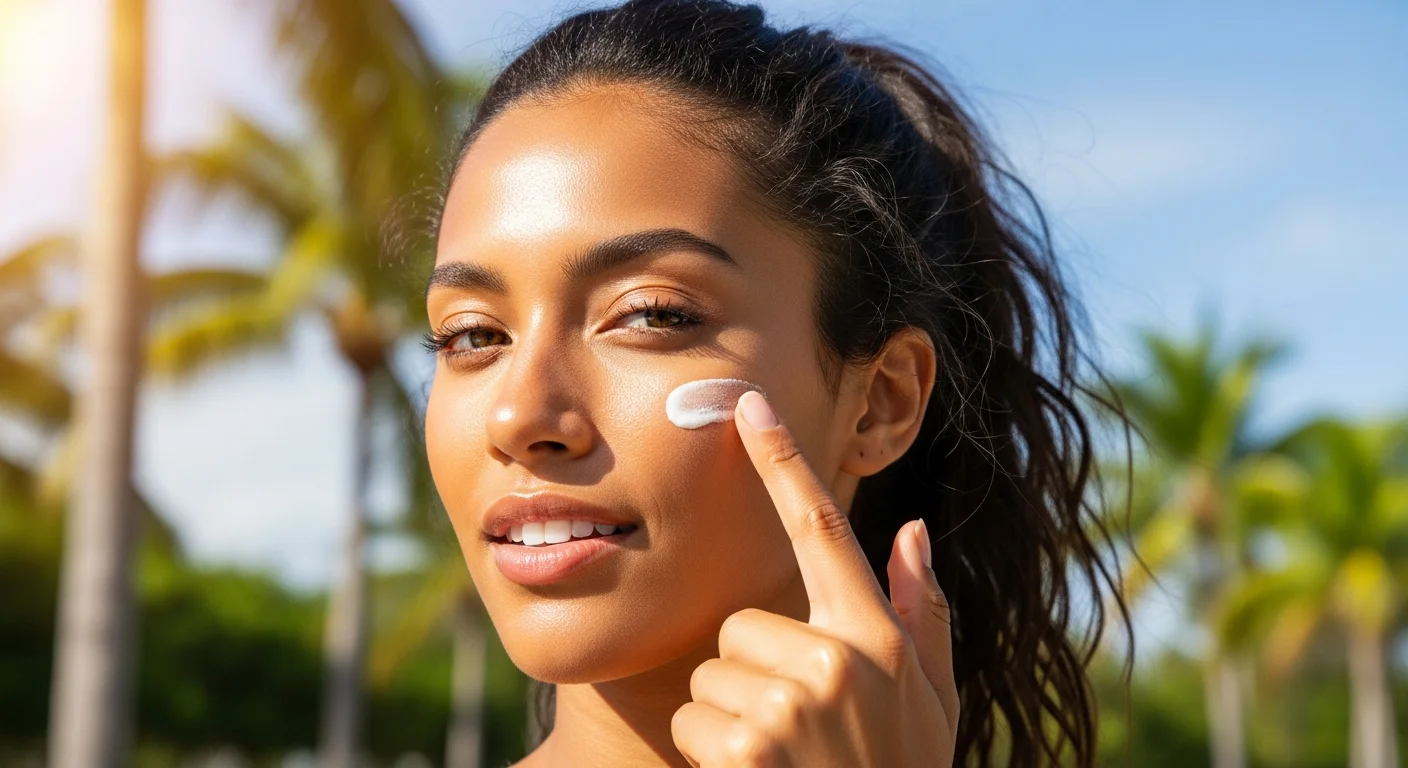
Miami adds its own challenge. Heat, humidity, and sweat loosen makeup and mix with oil, so lightweight, non-comedogenic, and longer-wear formulas fare better here than heavy ones. Blot with a clean tissue rather than adding more product when you get shiny, and refresh gently instead of layering on top of sweat. Sunscreen still comes first in the daytime, under your makeup, because sun protection is essential for acne-prone skin and for preventing dark marks from lingering. For how to layer them without clogging pores, see our guide to how to choose a non-comedogenic sunscreen for acne-prone skin and wear it comfortably under makeup in the Miami heat. If breakouts cluster where a mask or fabric sits, our look at what causes maskne from friction and trapped humidity and how to prevent it in a hot, humid climate is worth a read.
Makeup, Skin of Color, and Acne Treatment
Two extra notes matter for many of our Miami patients. First, on richer skin tones, acne often leaves dark marks, so a well-matched shade and a focus on fading those marks over time makes more difference than heavy coverage. A specialist who understands skin of color helps you protect your natural tone while treating both the breakouts and the marks. Second, if you are using prescription actives like a retinoid, your skin can be more sensitive, so keep makeup gentle and non-comedogenic, and after any in-office treatment follow your provider’s guidance on when it is safe to reapply makeup. Our guides to how acne is treated safely on dark skin in Miami with a pigment-first, gentle approach that protects your tone and how acne and dark marks are managed in Hispanic and Latino skin with treatments matched to a medium skin tone go deeper on this.
When Makeup Is Not Enough: Treat the Acne Underneath
Here is the honest part. Makeup is cover, not a cure, and if you find yourself reaching for concealer every single day to hide persistent breakouts, that is a signal the acne itself needs treating. Covering acne does nothing to resolve it, and the daily cycle of concealing inflamed skin can be discouraging. This is where a provider comes in: an evaluation identifies what is driving your breakouts and builds a plan to actually clear them, so you eventually need less makeup, not more.
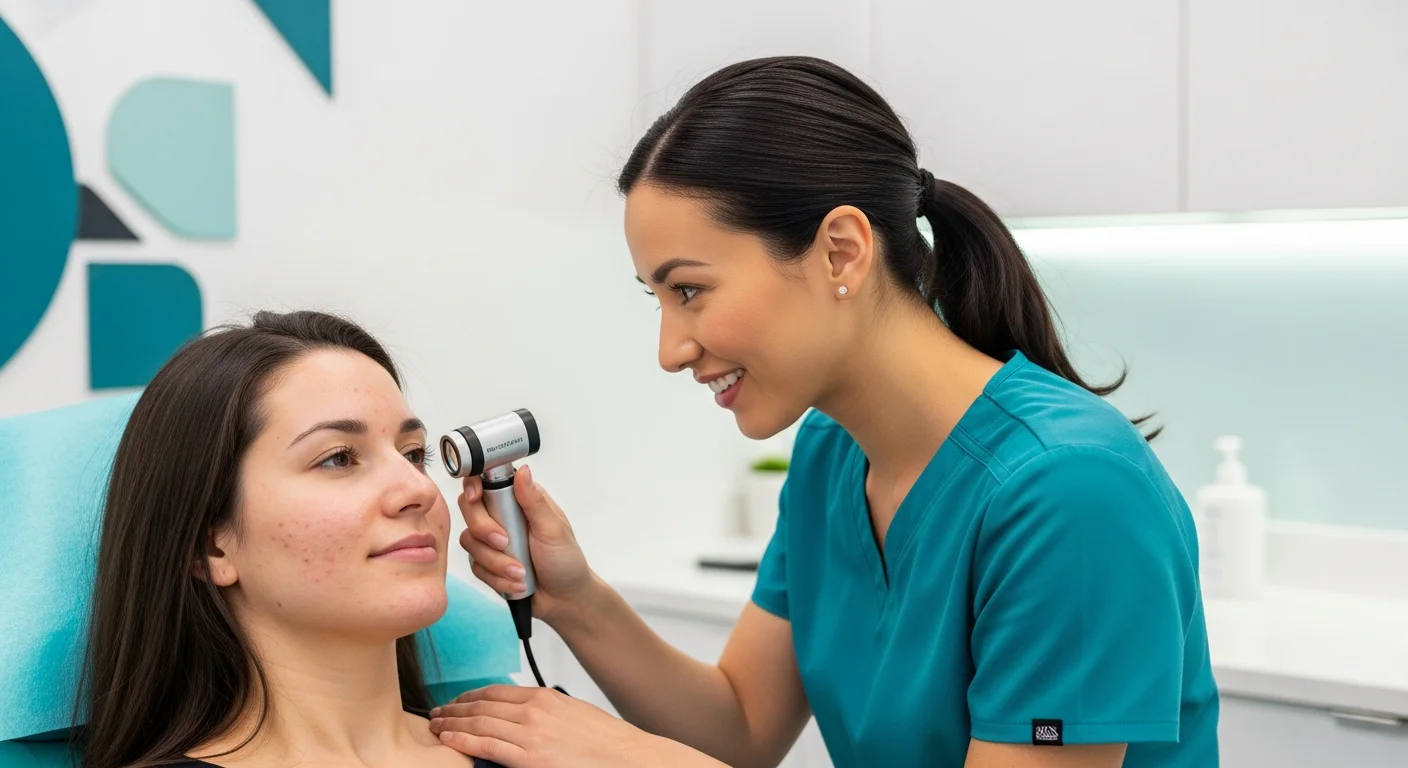
Diet and daily habits can play a supporting role too, which our overview of how diet and lifestyle factors can influence acne and where they fit alongside proven medical treatments puts in honest perspective. The point is to treat the cause, so makeup becomes a choice rather than a daily necessity.
What to Expect at Perfect B in Doral
At Perfect B in Doral, an acne consultation looks at what is actually causing your breakouts, factors in your skin tone and lifestyle, and builds a plan to clear the acne so your makeup routine gets easier over time. We will happily talk through makeup-friendly habits alongside your treatment, and we quote any in-office plan after an exam, with financing available. According to the American Academy of Dermatology skin-care tips for people managing acne, including how to handle products and makeup, gentle, consistent habits protect acne-prone skin, and the FDA notes in its official guidance on cosmetic labeling claims that terms like non-comedogenic are not defined by regulation, which is exactly why professional guidance helps.
Frequently Asked Questions
1. Can I wear makeup if I have acne?
Yes. People with acne can wear makeup as long as they choose non-comedogenic, oil-free products, apply them to clean skin, and remove them thoroughly at night. Makeup does not have to worsen acne when the products and routine are right for acne-prone skin.
2. What kind of makeup is best for acne-prone skin?
Look for lightweight, water-based, non-comedogenic, and oil-free formulas, along with mineral or powder options. Avoid heavy, greasy products that can clog pores. Because the term non-comedogenic is not FDA-regulated, patch test a new product before using it all over your face.
3. Does makeup cause acne or make it worse?
Makeup itself does not have to. Breakouts linked to makeup usually come from heavy, pore-clogging formulas, dirty brushes, applying over unclean skin, or sleeping in it. With non-comedogenic products, clean tools, and thorough removal, makeup can be a neutral part of an acne-prone routine.
4. What makeup ingredients should acne-prone skin avoid?
Favor lightweight, oil-free, non-comedogenic formulas and be cautious with heavy oils and thick, greasy products that can clog pores. Since tolerance is individual and labels are not regulated guarantees, the most reliable approach is to patch test and watch how your own skin responds over a few days.
5. How do I cover a pimple without making it worse?
Apply a small amount of non-comedogenic concealer over your base, dab rather than rub, and set it lightly. Use clean tools and never pick or squeeze the pimple first, since that prolongs healing and raises the risk of a mark or scar. Keep the touch gentle on inflamed skin.
6. Is it bad to sleep in makeup with acne?
Yes. Sleeping in makeup traps oil, bacteria, and debris against your skin and is one of the fastest ways to clog pores and trigger breakouts. Always remove makeup thoroughly at night with a gentle cleanser, then follow with your treatment and a non-comedogenic moisturizer.
7. Can I wear makeup during acne treatment or after an in-office treatment?
Usually yes, but keep it gentle and non-comedogenic, since actives like retinoids can make skin more sensitive. After an in-office treatment, follow your provider’s specific guidance on when it is safe to reapply makeup, because the right waiting time depends on the procedure you had.
8. What is the best makeup approach for acne-prone skin of color?
On richer skin tones, acne often leaves dark marks, so a well-matched shade plus a plan to fade those marks matters more than heavy coverage. Use non-comedogenic products and work with a provider who understands skin of color to protect your natural tone while treating breakouts and marks.
Clear the Acne, Not Just Cover It, in Doral
Makeup and acne-prone skin can live together beautifully with non-comedogenic products, gentle application, and honest nightly removal. But if you are covering breakouts every day, the most freeing step is to treat the acne underneath so you rely on makeup by choice, not necessity. At Perfect B in Doral, we build a plan to clear your acne and protect your skin tone, and we are glad to guide your makeup habits along the way.
Book a consultation to get to the cause of your breakouts, with a realistic plan and financing available. Confidence today with makeup, and clearer skin over time, is the combination worth aiming for.
- 📍 Visit us at Perfect B, 3905 NW 107th Ave, Suite 104, Doral FL 33178
- 📞 Call or message us at (786) 502-2260
- 💳 Financing available through Cherry, Klarna, Afterpay, and CareCredit